

What does “Arctic quality” mean for Norwegians? A survey of over 1400 consumers shows that the term itself is little known, but that most people view northern Norwegian food and agriculture positively, primarily because local farming supports local value creation, culture, and natural qualities.
By: Jon Schärer // Norwegian Institute of Bioeconomy Research
Arctic quality
Arctic quality refers to characteristics of food grown or produced under Arctic conditions, such as cold climate and unique light conditions. These natural conditions can influence the appearance, texture, taste, and nutritional content of food. The term can also encompass social factors, culture, and tradition.
(Definition of Arctic quality in the survey)
The project is funded through the initiative “Sustainable Food Production and Value Creation in the North”, managed by the county municipalities of northern Norway.
As part of efforts to strengthen agriculture in northern Norway, the term Arctic quality can be developed and used as a competitive advantage.
“To utilise this potential, it is important to understand how consumers perceive Arctic quality,” says researcher Frøydis Gillund at the Norwegian Institute of Bioeconomy Research (NIBIO). She leads a project aimed precisely at finding out.
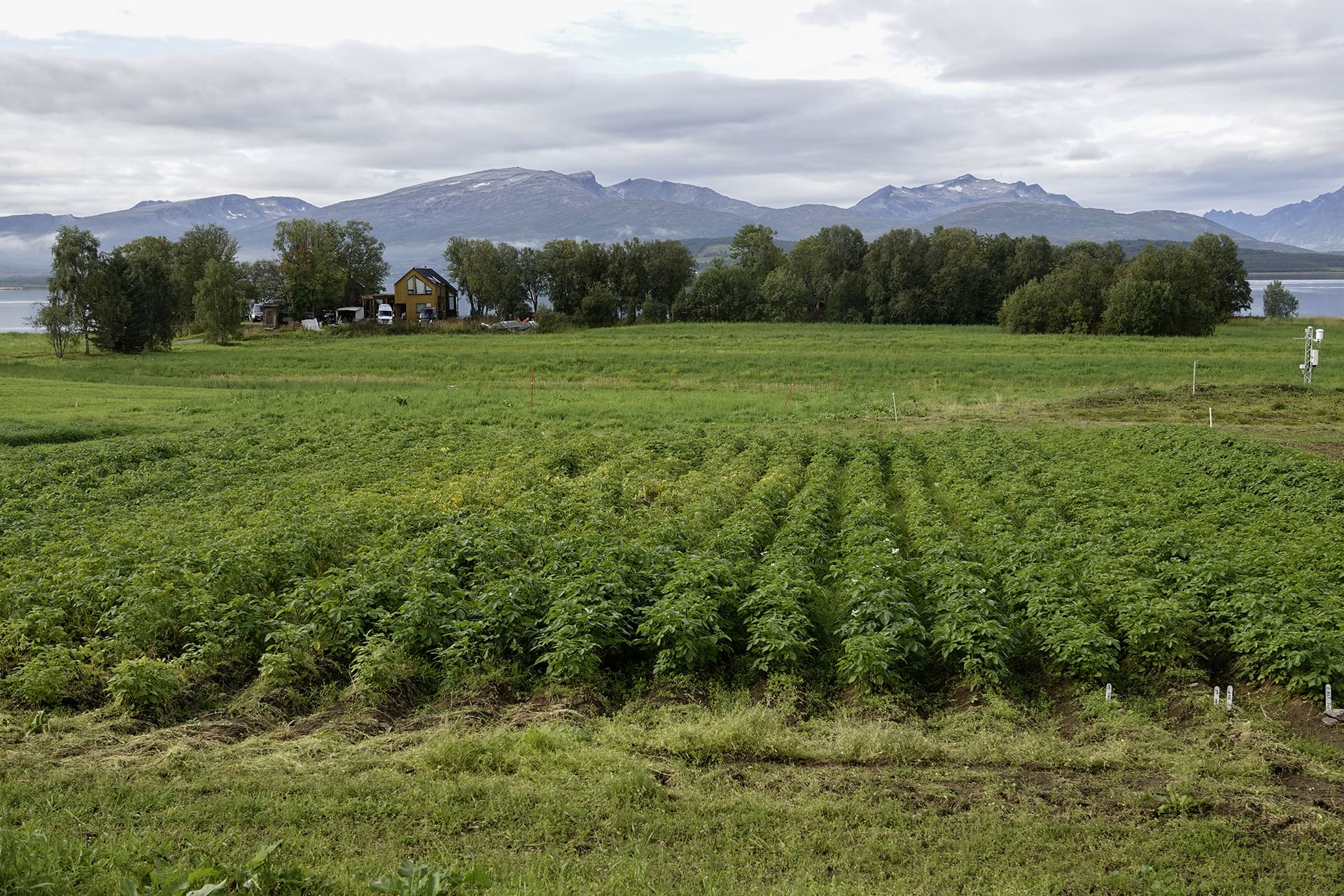
The unique conditions in the north, with low temperatures and exceptional light conditions, affect appearance, taste, and nutritional content, especially in plants.
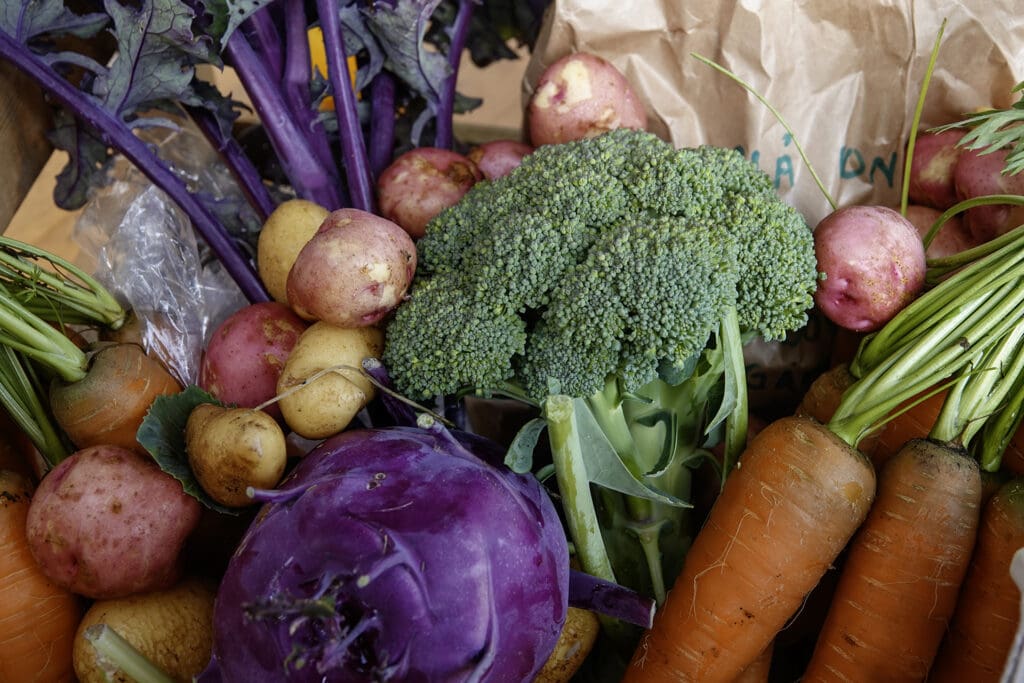
“This makes vegetables and berries grown in the north often sweeter and with a crisper texture than those grown further south. This has been documented for carrots, swedes, broccoli and strawberries—and these are precisely the features we call Arctic quality,” says Gillund.
Arctic quality
NIBIO has previously examined and documented how natural and climatic conditions influence traits such as taste, texture, and bioactive compound content in products from northern Norwegian farms, forests, and meadows, especially vegetables and berries. Now, consumer opinions and perceptions are in focus, and together with colleagues Atle Wehn Hegnes and Geir Wæhler Gustavsen, Gillund has taken a broad approach.
“We started by investigating how the term Arctic quality is described in Norwegian and international research literature, and what the literature says about how consumers understand this concept,” says Atle Wehn Hegnes, who emphasises that they have not systematically reviewed all research in the field, as that is beyond the scope of the project. Nevertheless, the study gives a clear impression that Arctic quality as a concept in relation to food in Norway is little known.
“Terms like northern Norwegian food, food from northern Norway, or Arctic food seem to be more widely used,” says Hegnes.
As part of the project, northern Norwegian stakeholders from different parts of the food value chain were also invited to focus group interviews. This included producers, restaurants, producer networks, processing companies, sales channels, and regional support actors. Together with the literature review, these discussions formed the basis for topics and questions for the consumer survey.
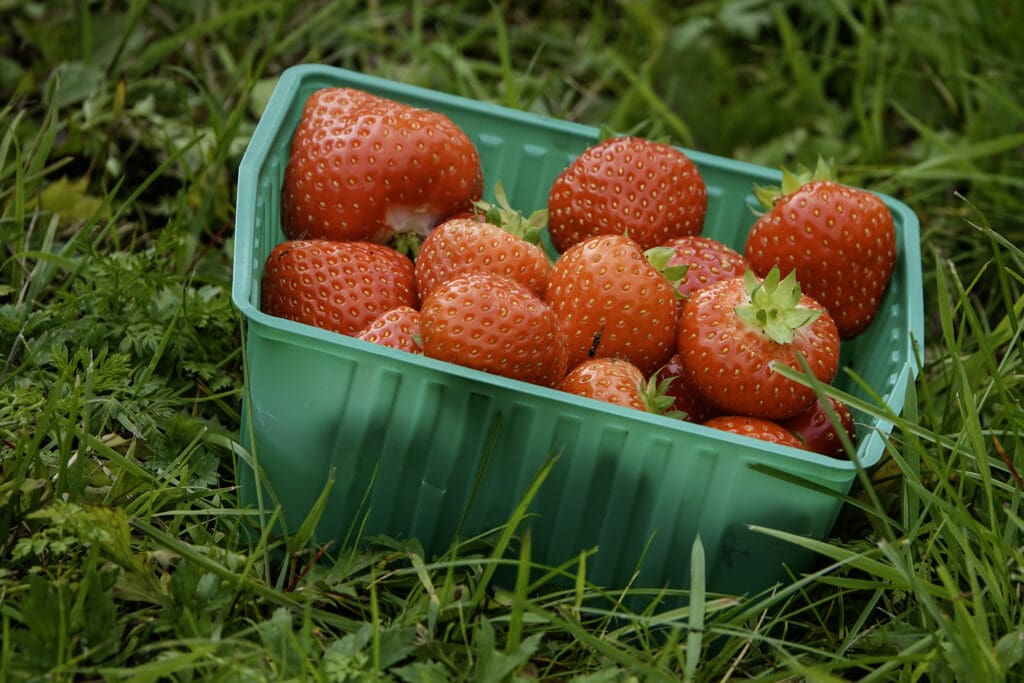
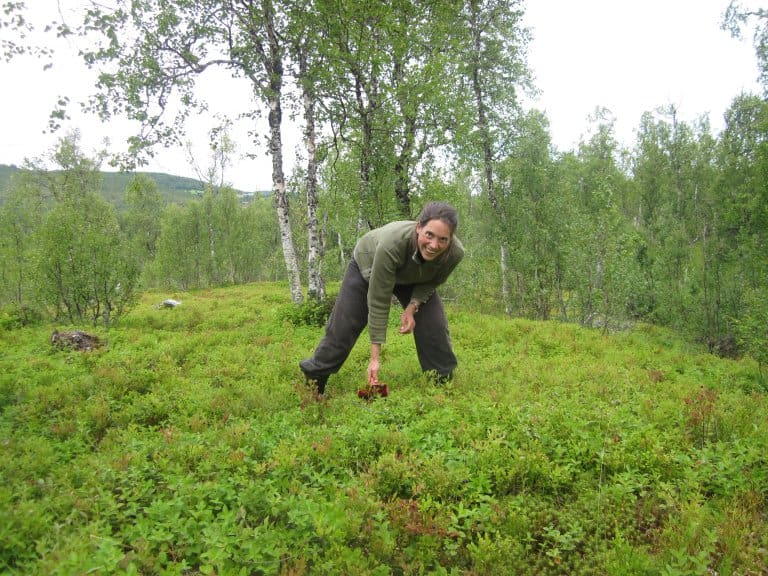
Photo: Morten Günther / NIBIO
Consumers speak
The results of the survey show that most people do not know the term Arctic quality—not even those living in northern Norway.
“But when the term is explained for them, they have strong positive associations,” says research professor Geir Wæhler Gustavsen. “They think of purity, naturalness, local roots, cultural heritage (including Sami traditions), and environmental values. Many see Arctic quality as more than just ‘food from northern Norway’—it gives a sense of something exclusive and unique.”
“The survey clearly shows that Arctic quality is still a relatively unknown concept for most people,” emphasises Gustavsen. “Only 28% of respondents have heard of or are familiar with the term. In northern Norway, awareness is somewhat higher, but even there, only 43% had heard of or knew the term. This means that over half of northern Norwegians have no connection to Arctic quality as a concept.
Where is the boundary?
But where is the boundary for what can be called Arctic quality? Consumers disagree: 46% believe that only food produced north of the Arctic Circle can be called Arctic quality; 33% believe food from all of northern Norway is included. Only 3% think all food produced in Norway can be called Arctic quality.
In northern Norway, more people think the Arctic Circle is the limit, but even here many include the entire region. Scientific research has documented that some northern products have distinct qualities that affect taste.
“It is also interesting to note that 34% of respondents completely or partially agree that Arctic food tastes better than other similar food. Among northern Norwegians, the number is even higher, with 55% agreeing,” says Gustavsen.
Selected results
- Of the 1460 survey participants, 407 were familiar with the term “Arctic quality,” corresponding to 28%, while 72% were not familiar with the term.
- Of those living in Nordland, Troms, or Finnmark, 43% knew the term.
- Among several alternative values, “Purity and naturalness” was most commonly associated with Arctic quality (64% overall and 74% of those living in northern Norway).
- “Local roots” was the second most commonly associated value (54%).
Selected statements
- Arctic food tastes better than other similar food: 34% of the total sample completely or partially agree. Among northern Norwegians, 55% agree, and 61% of those familiar with Arctic quality agree.
- Arctic food is more nutritious than other similar food: 25% completely or partially agree.
- Arctic food is more natural than other similar food: 43% completely or partially agree. Among northern Norwegians, 60% agree, and 65% of those familiar with Arctic quality agree.
- Arctic food is too expensive compared to other similar food: 39% completely or partially agree. Among northern Norwegians, 51% agree, and among those familiar with Arctic quality, 50% agree.
Willingness to pay more
- Carrots: 27% of the total sample are willing to pay more; 50% of northern Norwegians; 44% of those familiar with Arctic quality.
- Potatoes: 25% total; 47% northern Norwegians; 40% familiar with Arctic quality.
- Strawberries: 31% total; 57% northern Norwegians; 50% familiar with Arctic quality.
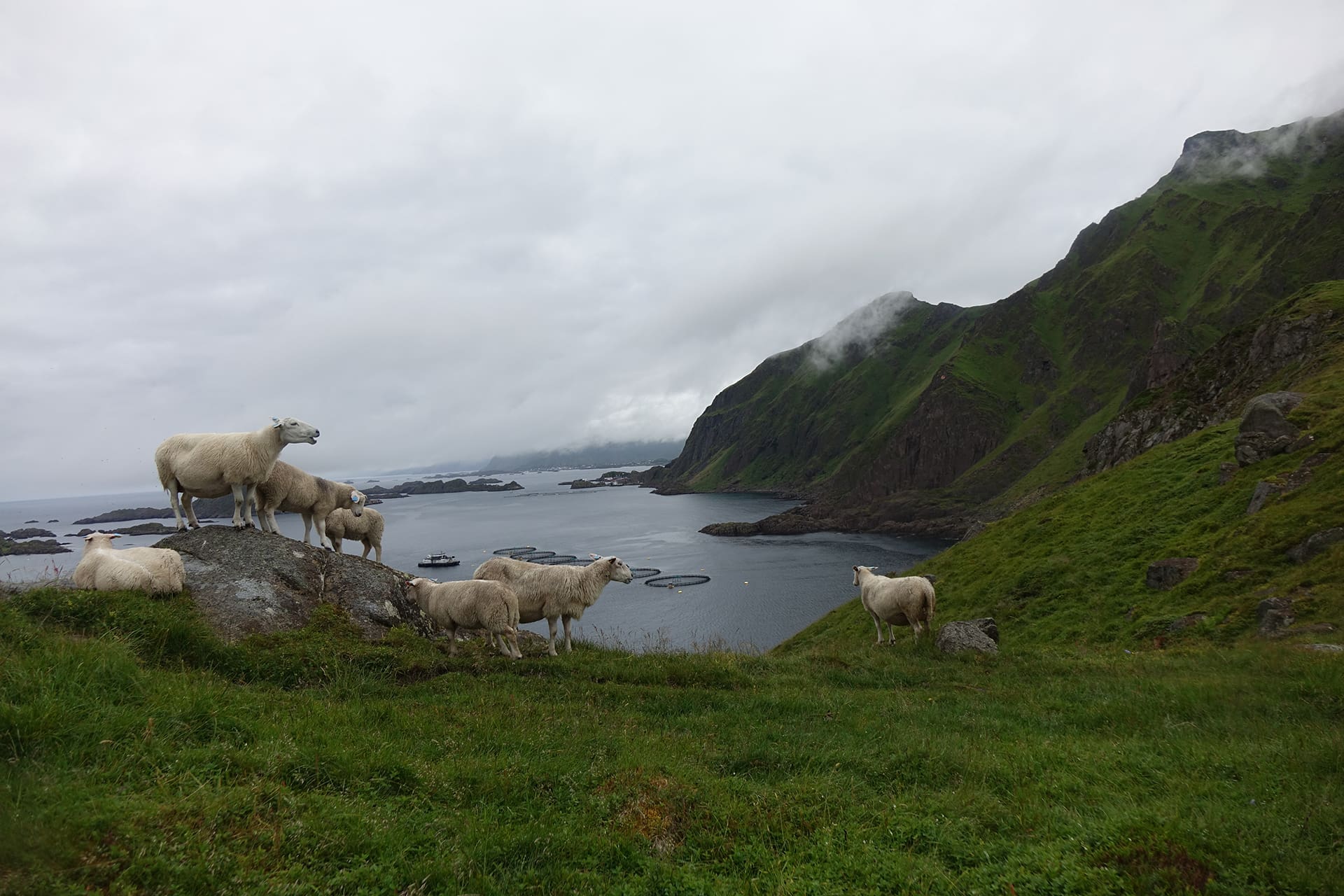
- Lamb: 33% total; 51% northern Norwegians; 51% familiar with Arctic quality.
Arctic agriculture and preparedness
Both climate change and international events have increased attention to food security and self-sufficiency nationally and regionally. In this perspective, northern Norwegian production may gain increased strategic significance, the researchers point out. Northern Norway is strategically important for national security. Long distances, scattered settlements, and challenging climatic conditions make supply lines in the region vulnerable. Therefore, maintaining food production in the north is crucial. Arctic quality can thus be linked to preparedness and self-sufficiency—not just taste and identity.
“But for the term Arctic quality itself to gain traction, it must be filled with credible content, documented, and communicated in a way that makes sense for both producers and consumers,” says Atle Wehn Hegnes.
Trust is crucial
Frøydis Gillund believes it is important to take seriously that some respondents expressed scepticism about whether the term really says anything about product quality. For example, some think the label is a marketing trick or a fancy name aimed at tourists and international markets.
“Discussions in the workshop also showed that many prefer terms like ‘northern Norwegian’ or ‘local’ food when interacting with local customers and in the grocery market. This is because it is more recognisable among consumers.
“Trust is crucial,” emphasises Gillund, who remains optimistic based on the project and survey.
“With clear documentation, communication, and collaboration, Arctic quality has the potential to become a competitive advantage for agriculture in the north. It can also contribute to increased pride, value creation, and sustainability in the region,” says the NIBIO researcher who led the project on consumer understanding of Arctic quality.