

Art and creativity can bring people together and help them communicate ideas beyond social boundaries. Art offers an inclusive space to explore one’s own thoughts and share them without being confrontational. It can help us find new ways to express ourselves when words fall short.
By: Ann Eileen Lennert // UiT The Arctic University of Norway
In art-based research, art is not merely the subject, but a tool used in every step of the research process, to ask questions, collect information, understand what it means, and show the results. Art engages people’s imagination, emotions and senses, to explore complex, personal, and hard-to-measure aspects of life, transcending the cognitive to elicit unspoken knowledge. Art often provides deeper, more relatable insights, reaches broader audiences, and reveals hidden meanings beyond the reach of traditional research.
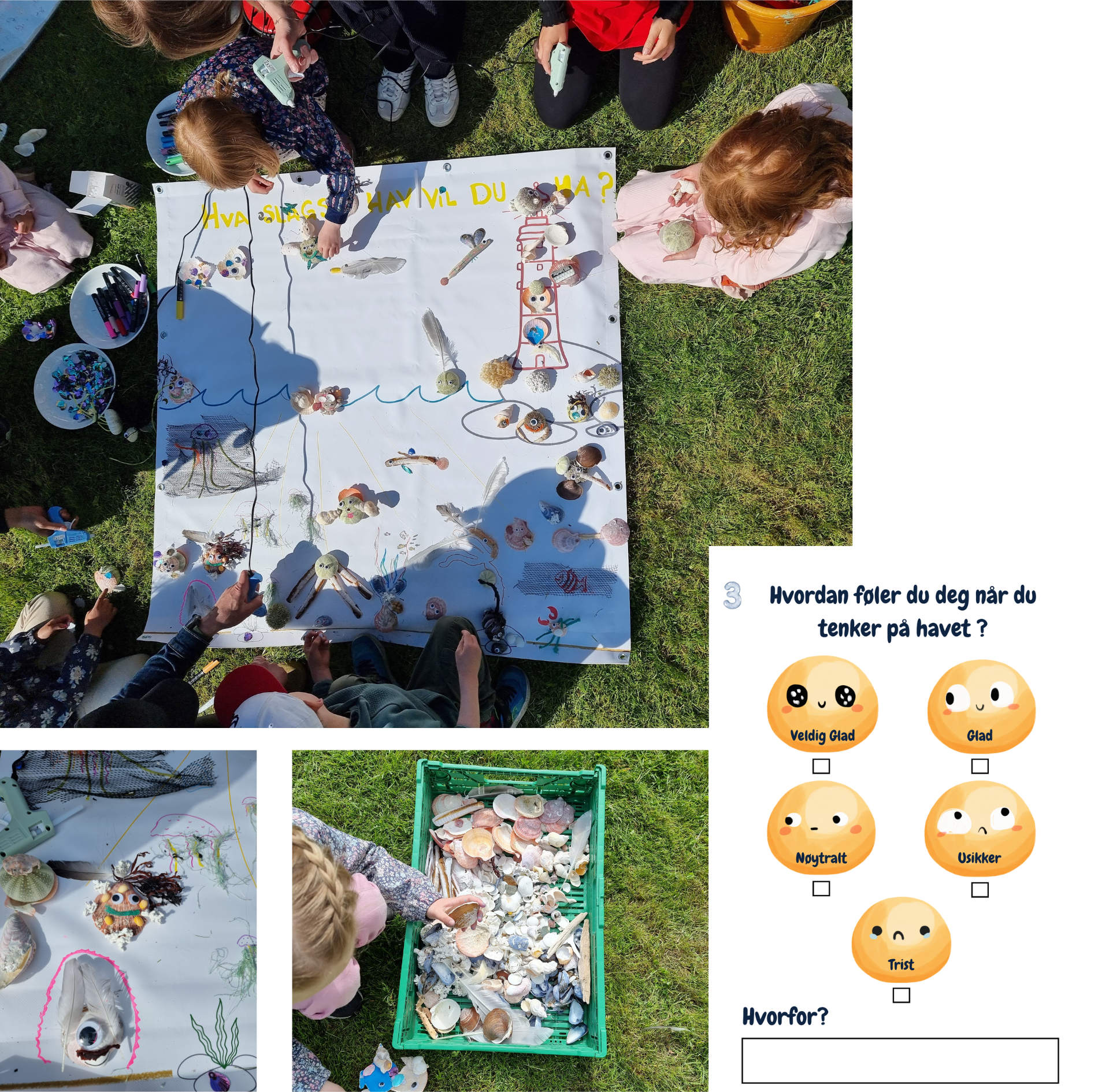
Art-based research can also diversify common approaches to community science by opening for creativity and play—inviting people to draw, take photos, sing, dance, or simply sit together knitting. Like science, art is an expression of curiosity. By deliberately bringing art and science together, we expand our ways of questioning the world—asking why things are the way they are, and approaching reality imaginatively.
This paper briefly explores two projects in which we used the arts to investigate layers of experience and knowledge that cannot always be expressed in words, collecting and communicating the complexity of interactions between humans and nature, and the societal challenges we face today and in the future.
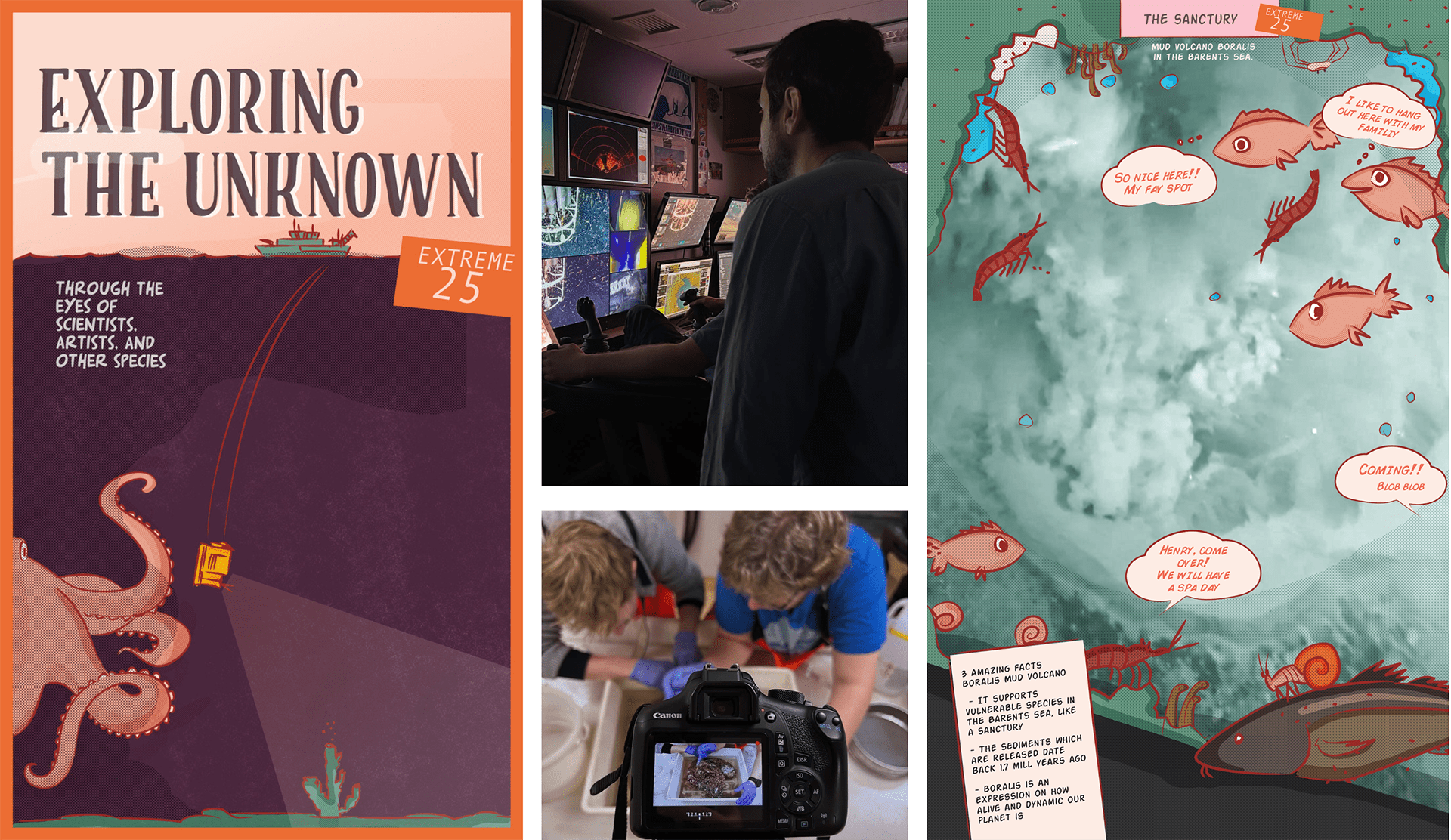
Imagine the deep sea
The ocean and coasts have shaped our lives. They have been a means of travel, a treasure trove of resources and food, and have shaped many cultures that have settled along the boundary between land and sea. Yet we yearn to explore more, and due to our close ties to the ocean, we are exploring deeper.
History shows that exploration and exploitation have long been entwined, not least in the deep sea, now touted as a vast source of minerals. But what if insight into nature can change us, our relationship and appreciation, rather than us reshaping environments to suit our needs?
In the darkness of the deep lie entire ecosystems based on the biochemical powers of colourful microbes, worms, benthic creatures rushing up and down the water column every day, and snails with suits of shiny armour, ecosystems important for the species and ecosystem services we depend on. Ironically, if we do not take precautions for future management, the deep sea might become as empty and lifeless as we once imagined it to be.
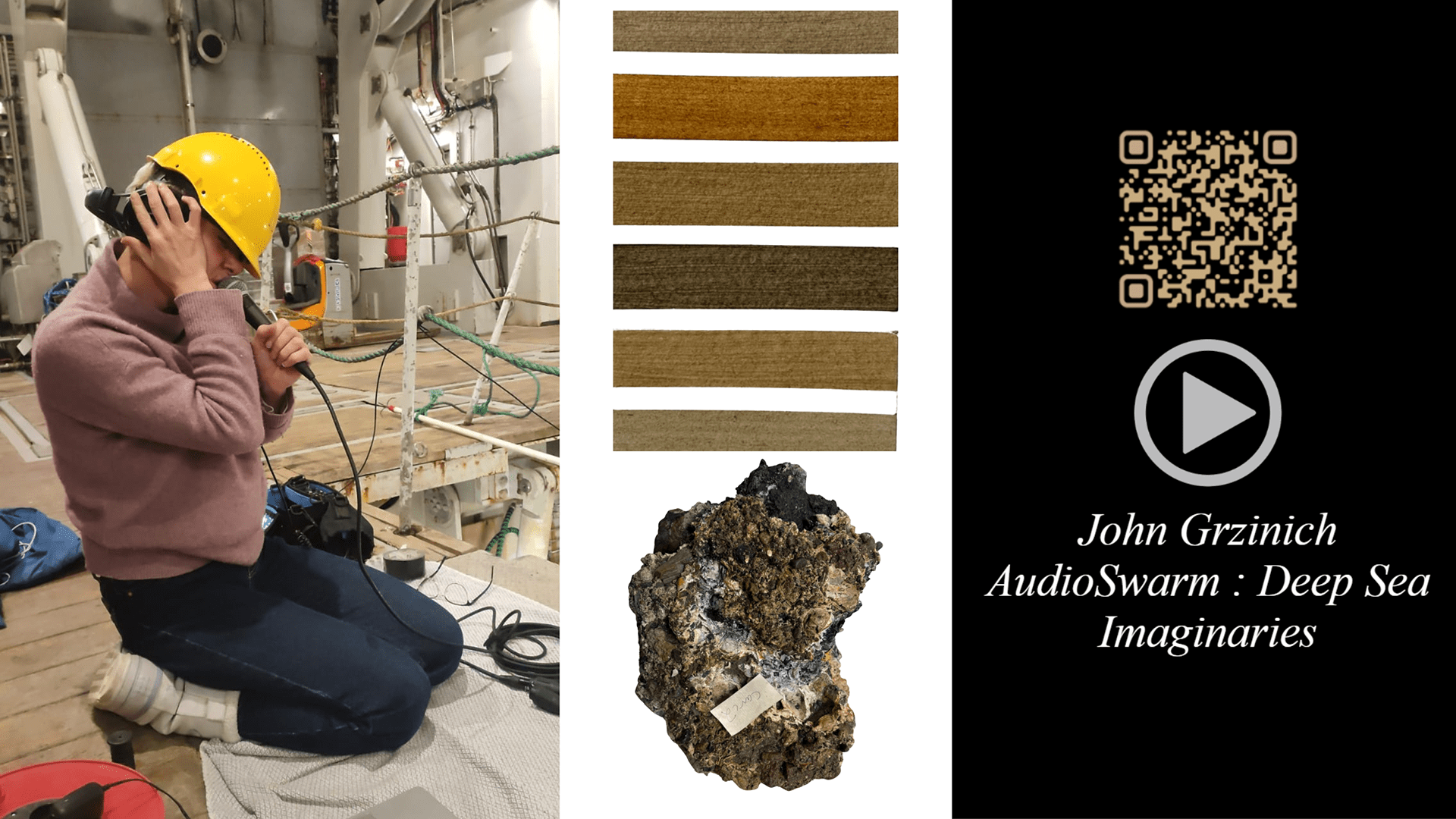
Listen: John Grzinich AudioSwarm: Deep Sea Imaginaries
In the Extremes project we use art to kindle the imagination of audiences, as we believe that imagination can give nature a voice by helping us perceive, translate, and advocate for ecological realities that aren’t easily heard in human terms. We now have an opportunity to forge a new relationship with the living planet, and we wish to foster knowledge, awareness, and a sense of care for the unique deep underwater world. This doesn’t replace science—it complements it by making complex systems legible, relatable, and morally salient. Only when nature has a voice do we become aware that our actions always come at nature’s expense. Humans are undeniably entwined with nature, an entwinement that, in turn, shapes diplomatic and political discussions about the ocean’s future.
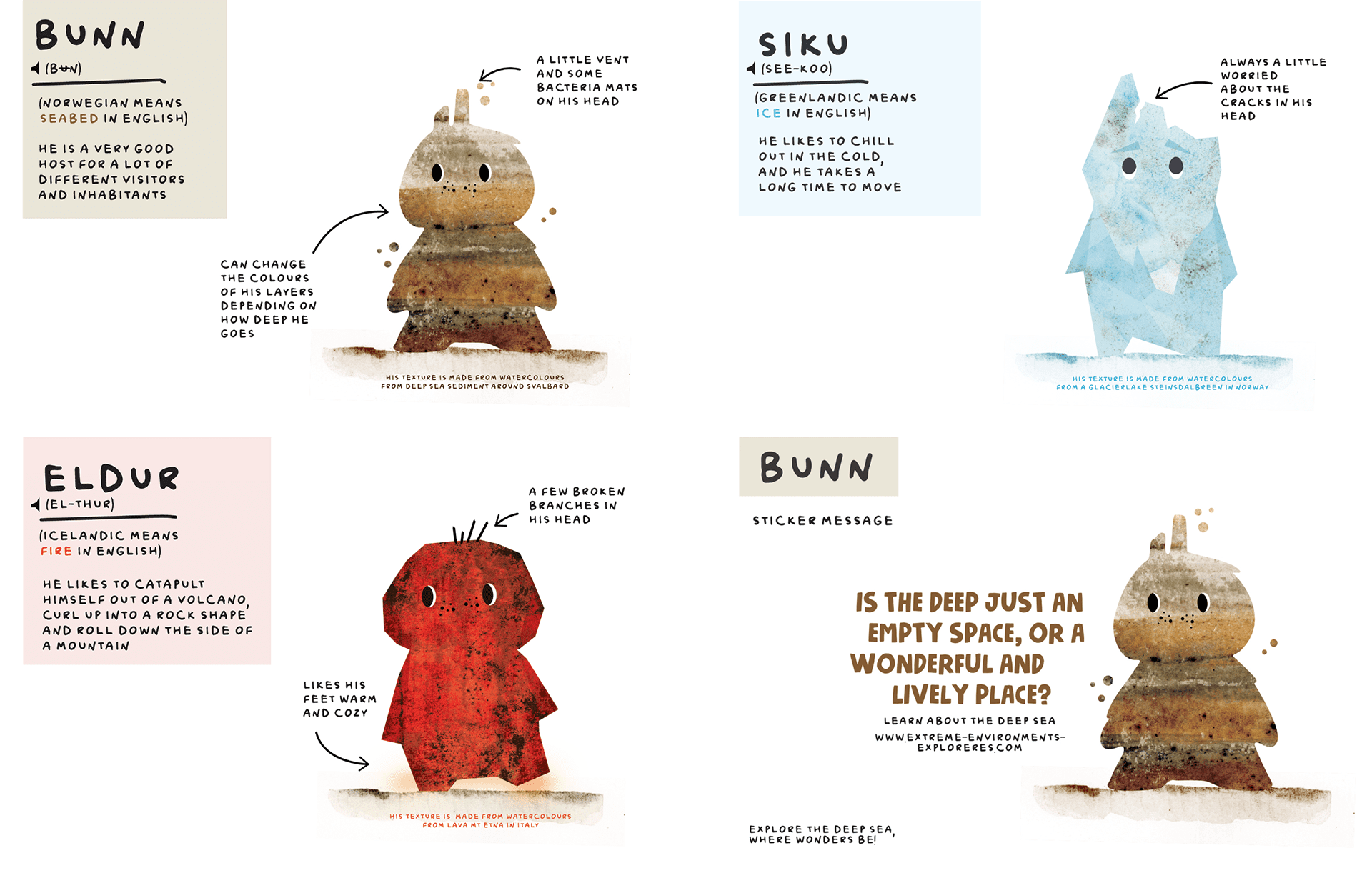
Even today, imaginaries1 of the deep sea remain a blend of scientific, cultural, and fictional ideas. Therefore, creating an interdisciplinary team of natural scientists, anthropologists, and artists to develop new ways to sense, understand, and imagine the significance of these extreme marine environments in the Arctic was crucial. The Extremes project, by taking natural science, sound, visuals, written words, interaction, curiosity, and diverse perceptions together, transcends the cognitive and elicits unspoken knowledge, leading to insights that feel deeper, are easier to relate to, and reach a wide audience.
Explore the miracle of nature
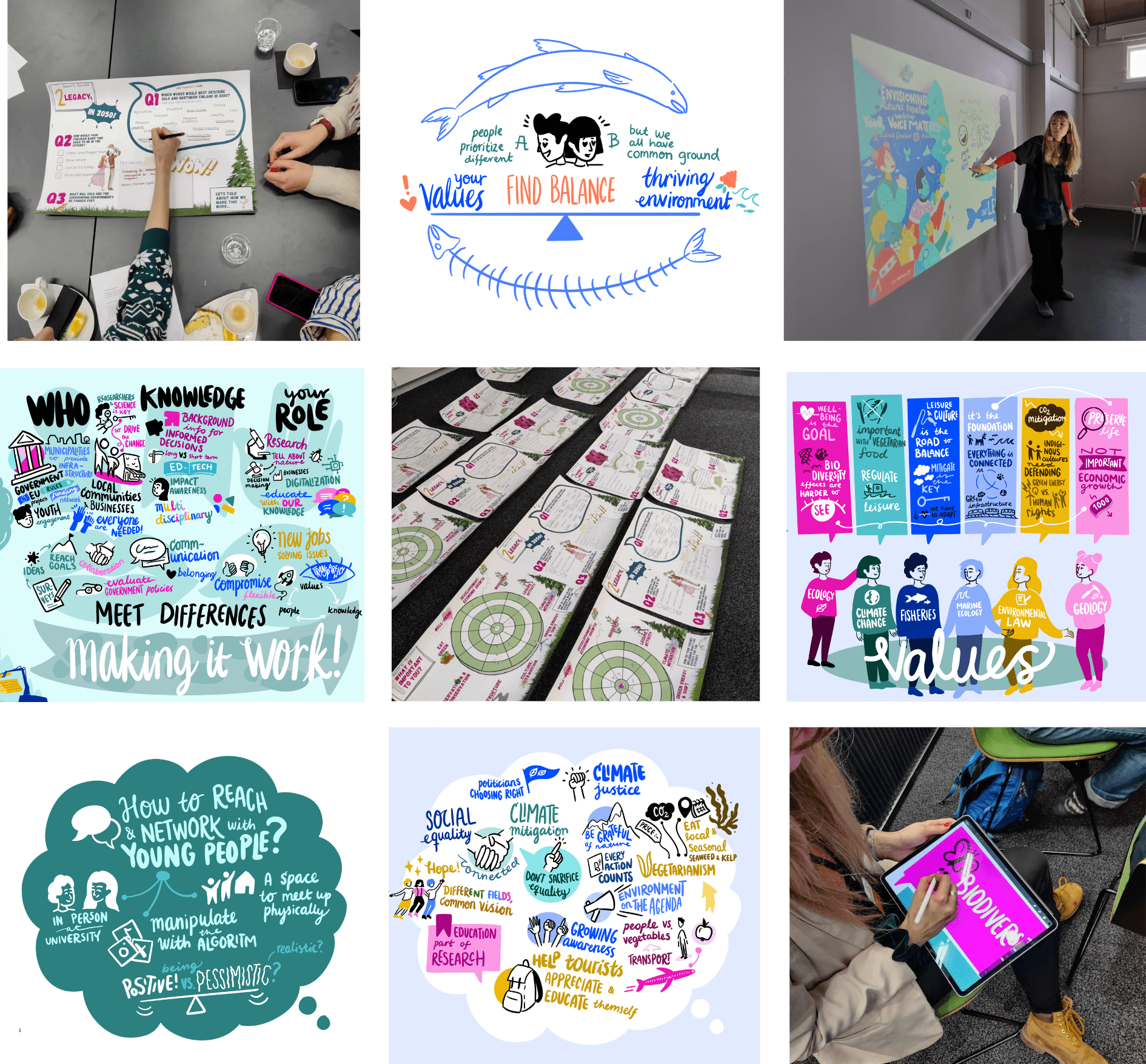
In another project called GreenFeedBack, we travelled across the Nordics and Arctic to understand and visualise how ecosystem services intersect with our lives, choices, and knowledge, and how our worldviews and hopes for the future arise from our relationship with nature.
We held creative workshops with youth and elders, students, researchers, local and Indigenous people, and administrators. Our motto: the more diverse, the merrier. Together, we shared and debated values, opportunities, challenges, priorities, and ethical ways to reach our goals. We listened, drew, and created spaces for being heard. Artistic tools fostered awareness and common ground across differing perceptions.
Having understanding of the diverse values, worldviews, perceptions and knowledge systems matters for management, policy and decision-making. We saw wide differences in connections to nature and views on its services: green energy was praised yet questioned; climate adaptation was deemed vital, but not at the cost of ecological balance. Ecosystem services must be read alongside social contexts, and local communities must be included and gain ownership in governance.
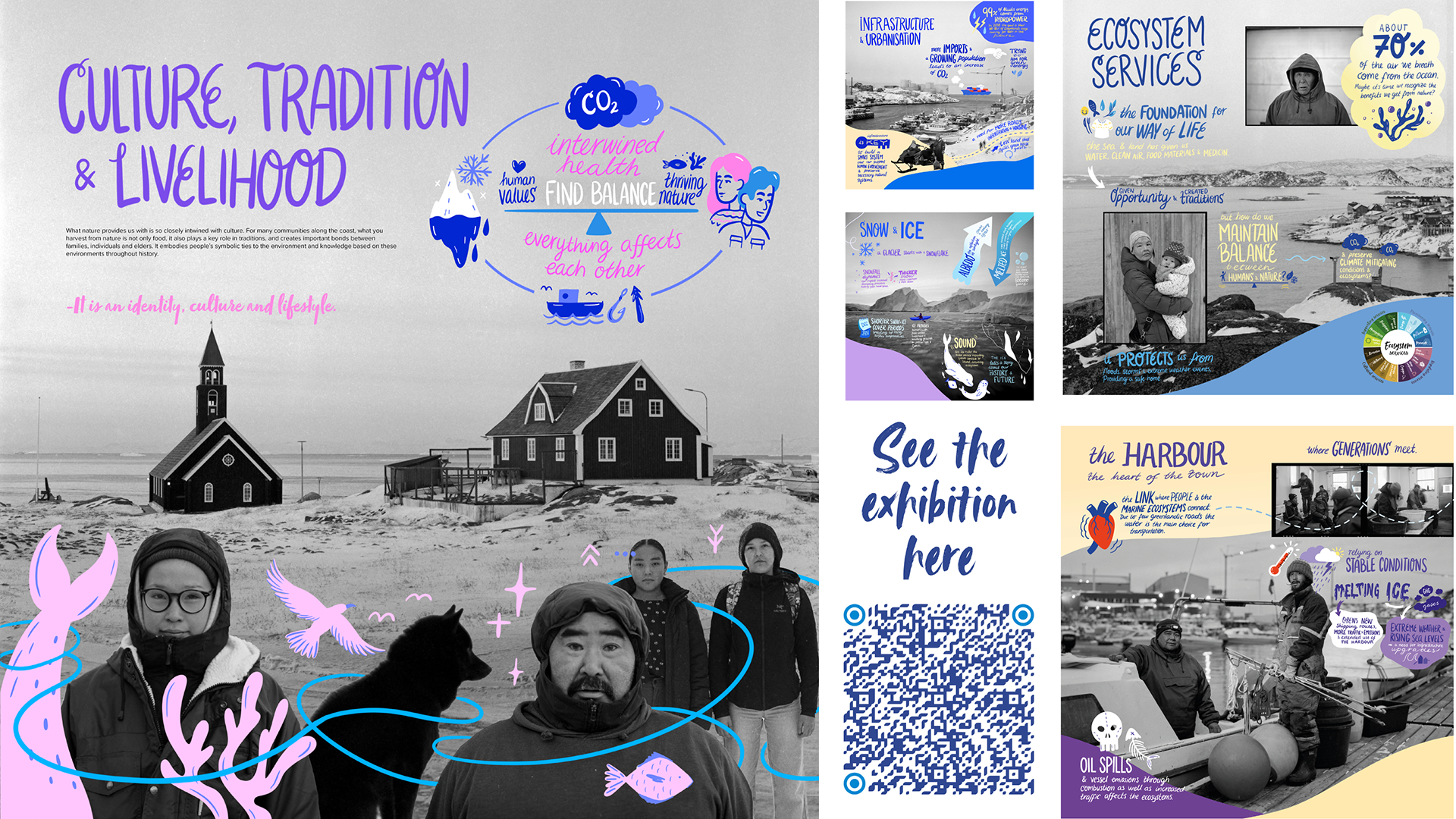
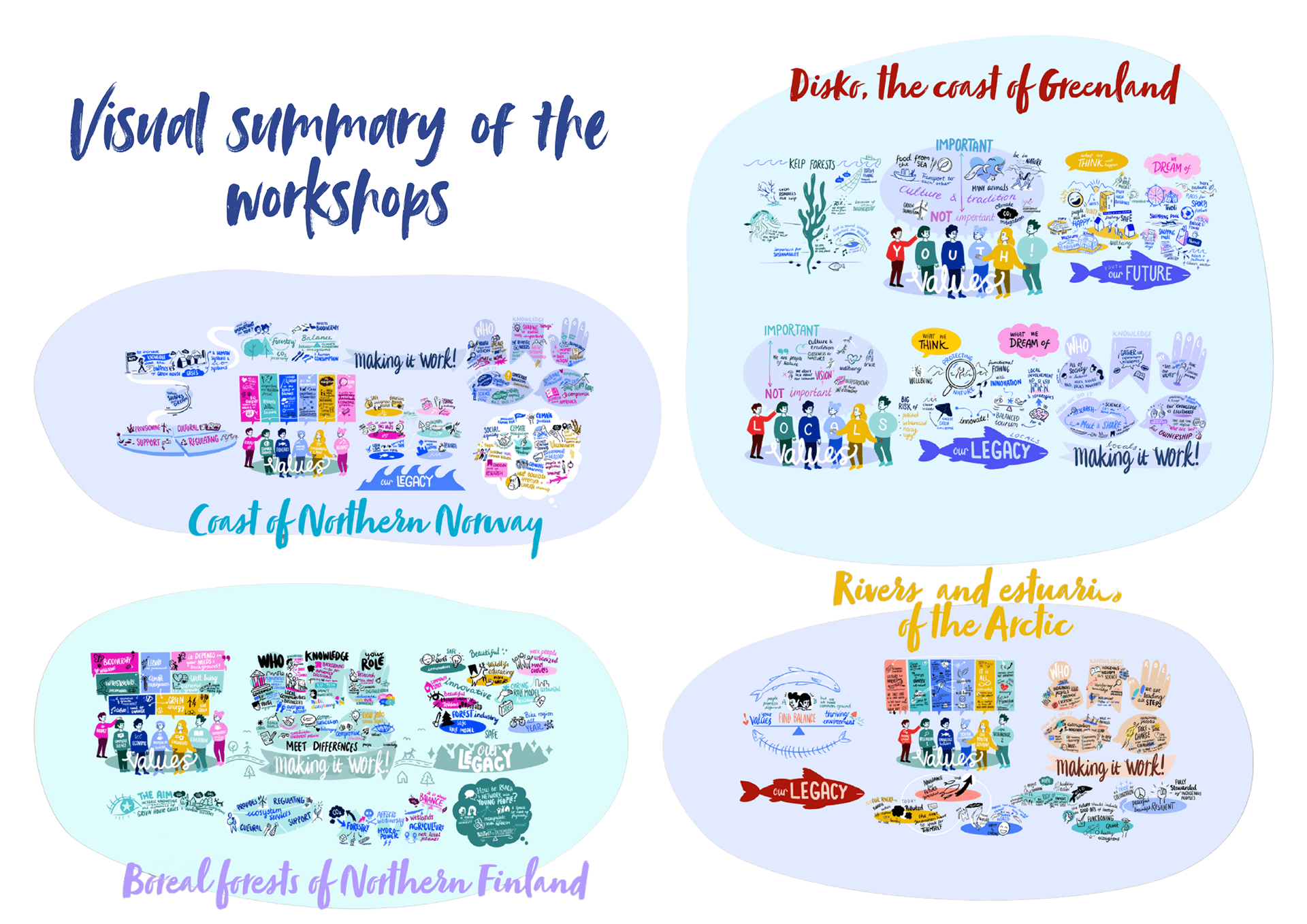
Everyone’s knowledge is valuable—fisher, youth, Sámi, teacher, baker, you and me. Many workshop participants focussed on provisioning services (which provide energy, food, medicine, materials and other things we need), noting how unsustainable use harms other ecosystem services. Stories described trawling impacting catchments across coasts, rivers, and lakes, affecting food security, cultures, and upstream livelihoods. Provisioning services were identified as being highly culture-specific: harvests feed bodies and traditions, bind families, and carry identity. Regulating and supporting services—often invisible, such as clean air—were seldom mentioned yet recognised as vital. In the GreenFeedBack project, art and research came together to illuminate their own value in guiding climate action, adaptation, and addressing the societal challenges we face today!
On the great expeditions of the 18th and 19th centuries, it was almost mandatory to bring a painter along to document the discoveries. Their paintings of natural phenomena, landscapes, and everyday environments were valued as artworks and regarded as part of the knowledge-gathering of the expeditions.
Frits Andersen, interviewed in the journal Information, 20 November 2025
Further reading
Lennert AE, Berti L, Schmidt N, Bludd EC (2025) Art-based research can help us value nature in new ways. Opinion article in High North News,