

Svalbard’s cultural heritage is being lost as permafrost thaws and erosion accelerates. At the whalers’ burial site Likneset, deeper active-layer thaw is increasing microbial activity and speeding up decay of organic remains. This shows the urgent need to integrate cultural heritage into Arctic climate strategies.
By: Lise Loktu, Ionut Cristi Nicu and Alma Thuestad // Norwegian Institute for Cultural Heritage Research
Did you know?
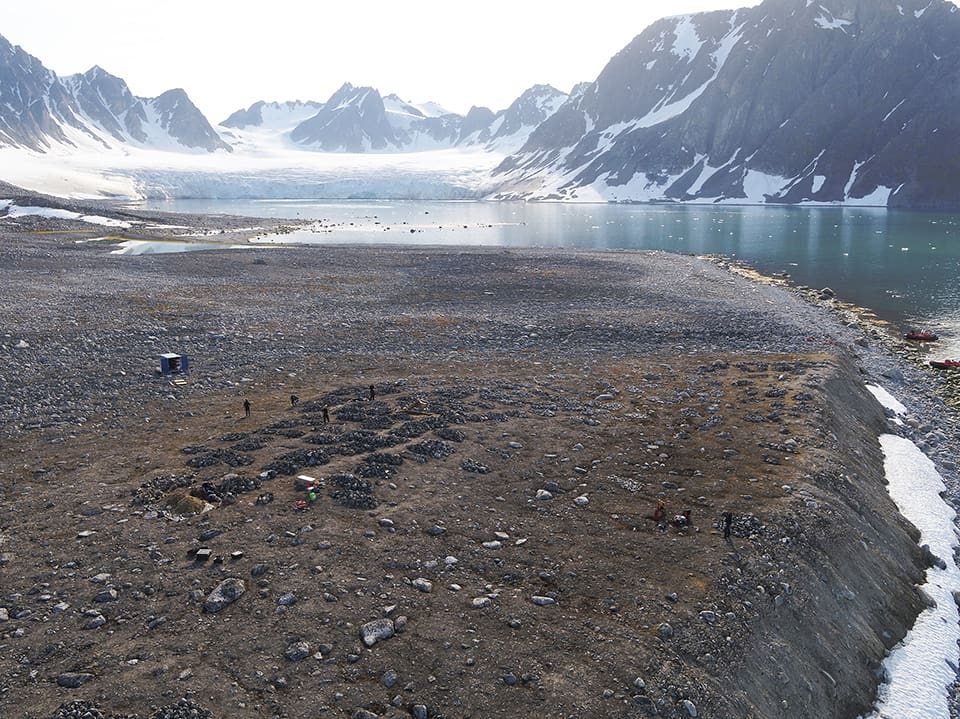
The 17th-century whalers’ burial site at Likneset in Smeerenburgfjorden is Svalbard’s largest whaling burial site.
The site is increasingly affected by coastal erosion and permafrost thaw.
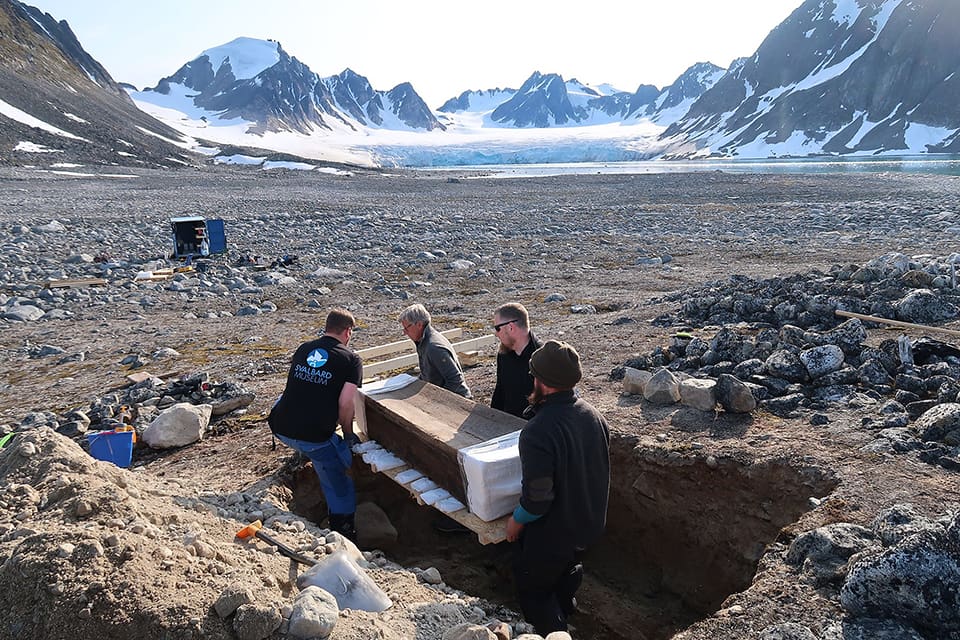
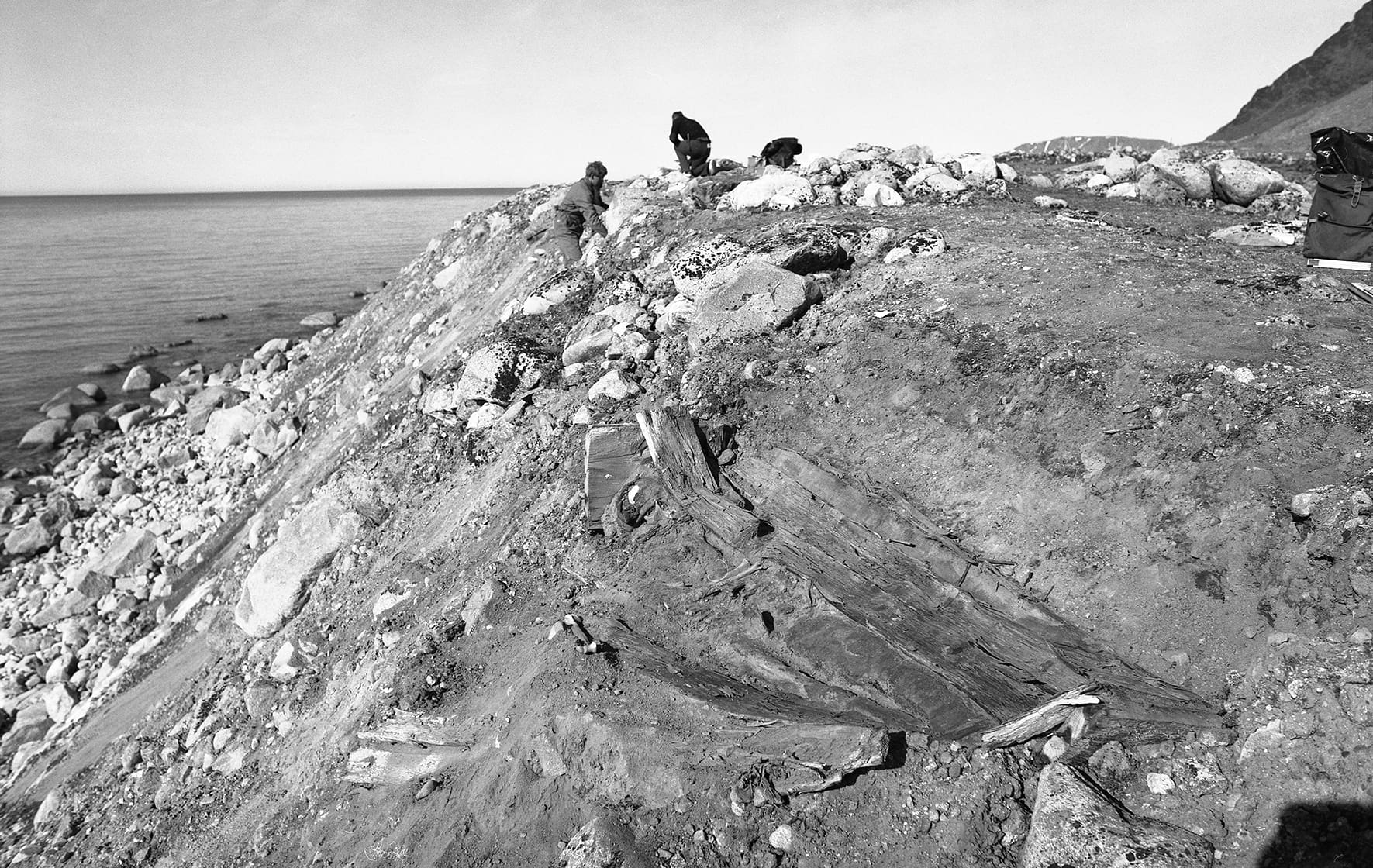
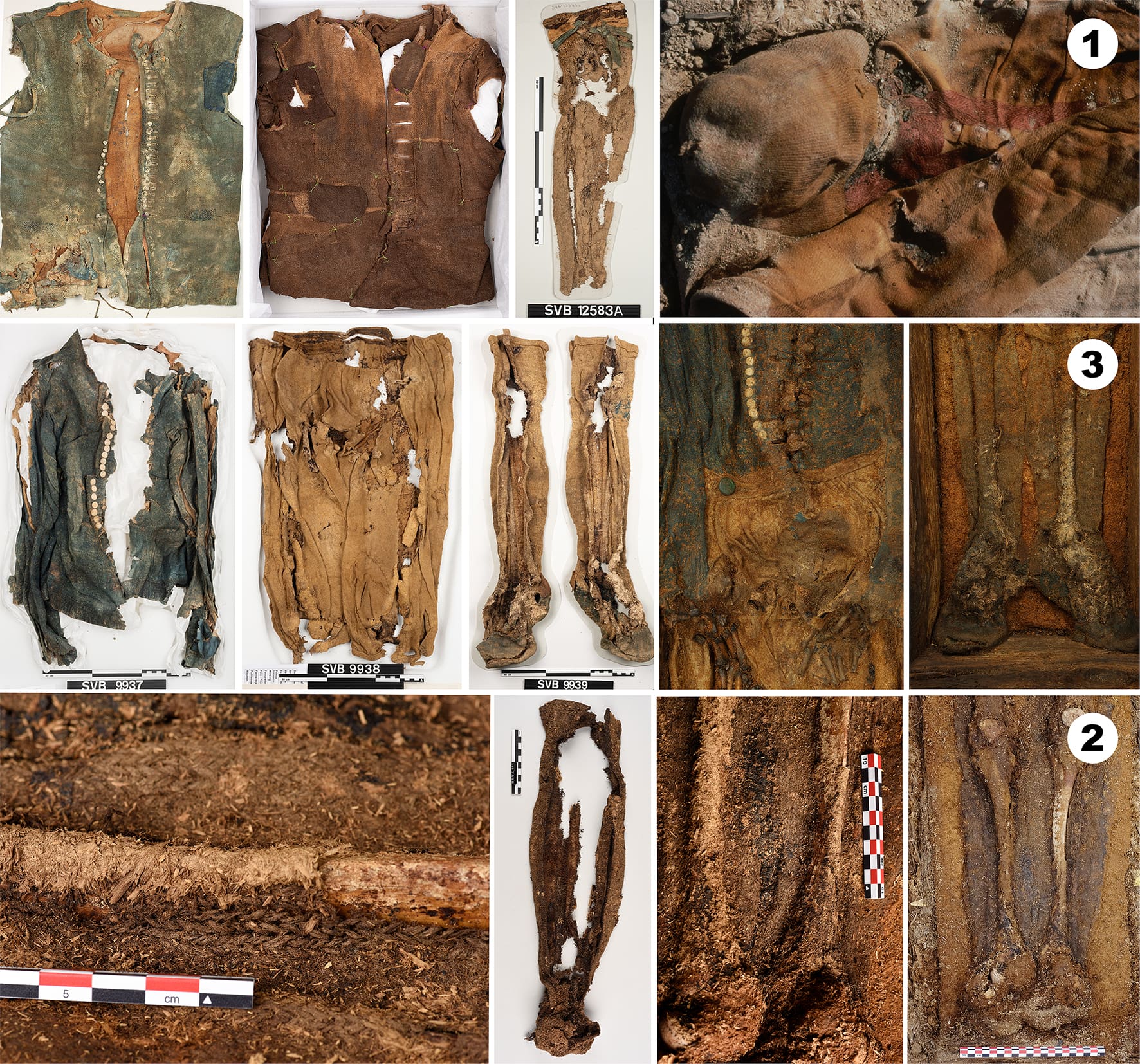
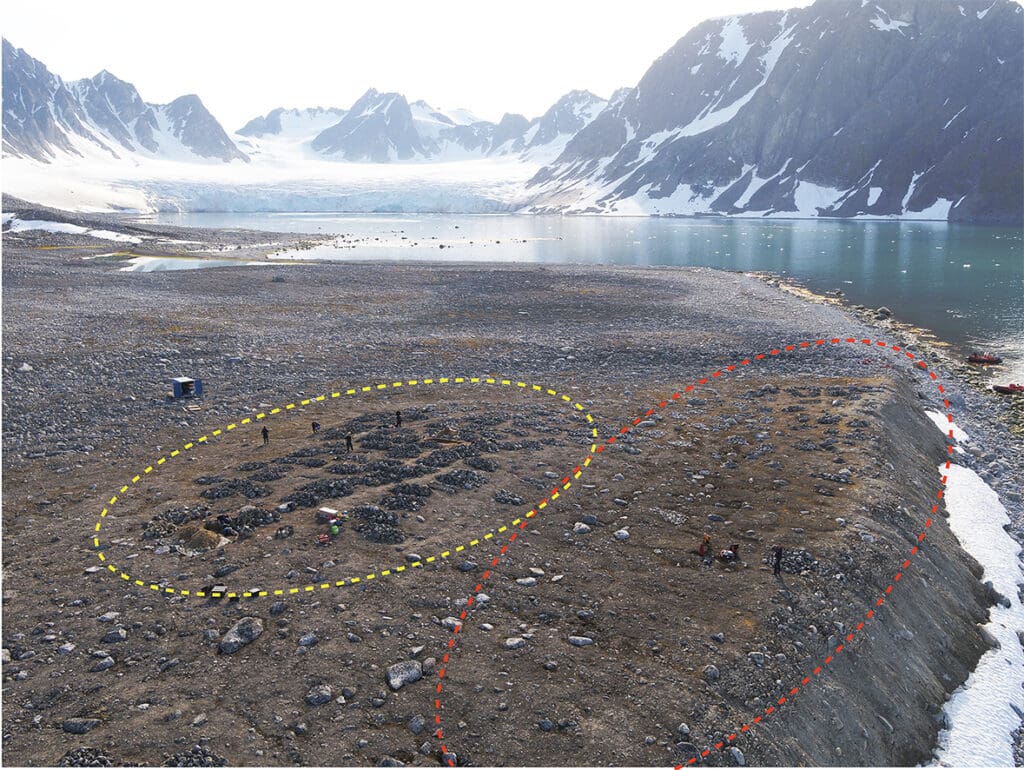
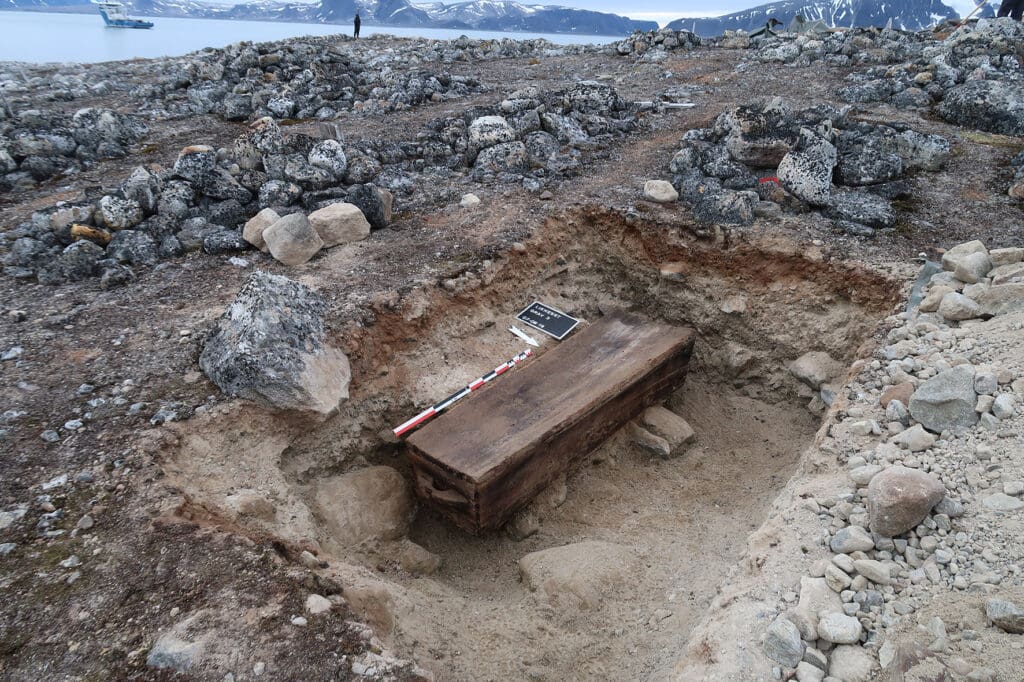
Recent excavations (2016/2019) reveal sharply worsened preservation compared to the 1980s: collapsed coffins, fragmented skeletal remains, and near-total loss of textiles. The site provides clear evidence of accelerating climate-driven degradation of Arctic heritage. Photos: Lise Loktu / NIKU (© The governor of Svalbard, 2019)
Svalbard’s cultural heritage forms one of the most intact historical archives in the European High Arctic. Traces of whaling, trapping, scientific activity, mining, and military presence are distributed across the landscape, offering unique evidence of human adaptation and resource use over four centuries. These sites are now deteriorating at an accelerating pace. Permafrost thaw, coastal erosion, increased precipitation, and unstable ground are degrading organic materials and reshaping cultural landscapes. As these sites collapse or wash away, essential knowledge about long-term human–environment interactions are lost.
Although the environmental consequences of climate change are widely monitored and modelled, cultural heritage remains a blind spot in Svalbard’s climate strategies. Unlike biodiversity or natural hazards, archaeological sites are not included in systematic monitoring systems, and no long-term datasets exist to quantify degradation or guide prioritisation. Heritage management is further constrained by limited staffing, fragmented documentation from earlier surveys, and funding structures that prioritise development-led archaeology in southern Norway.
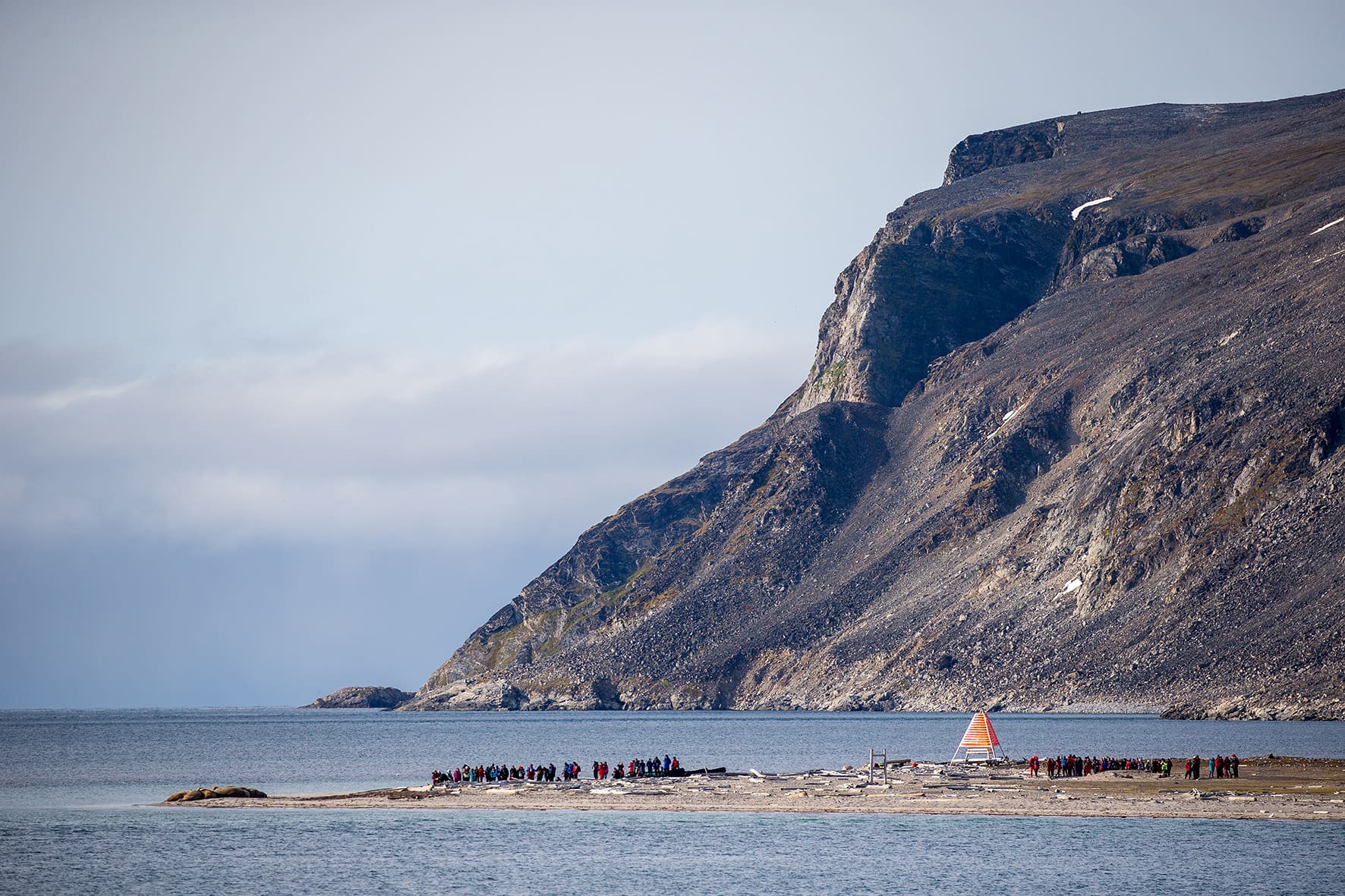
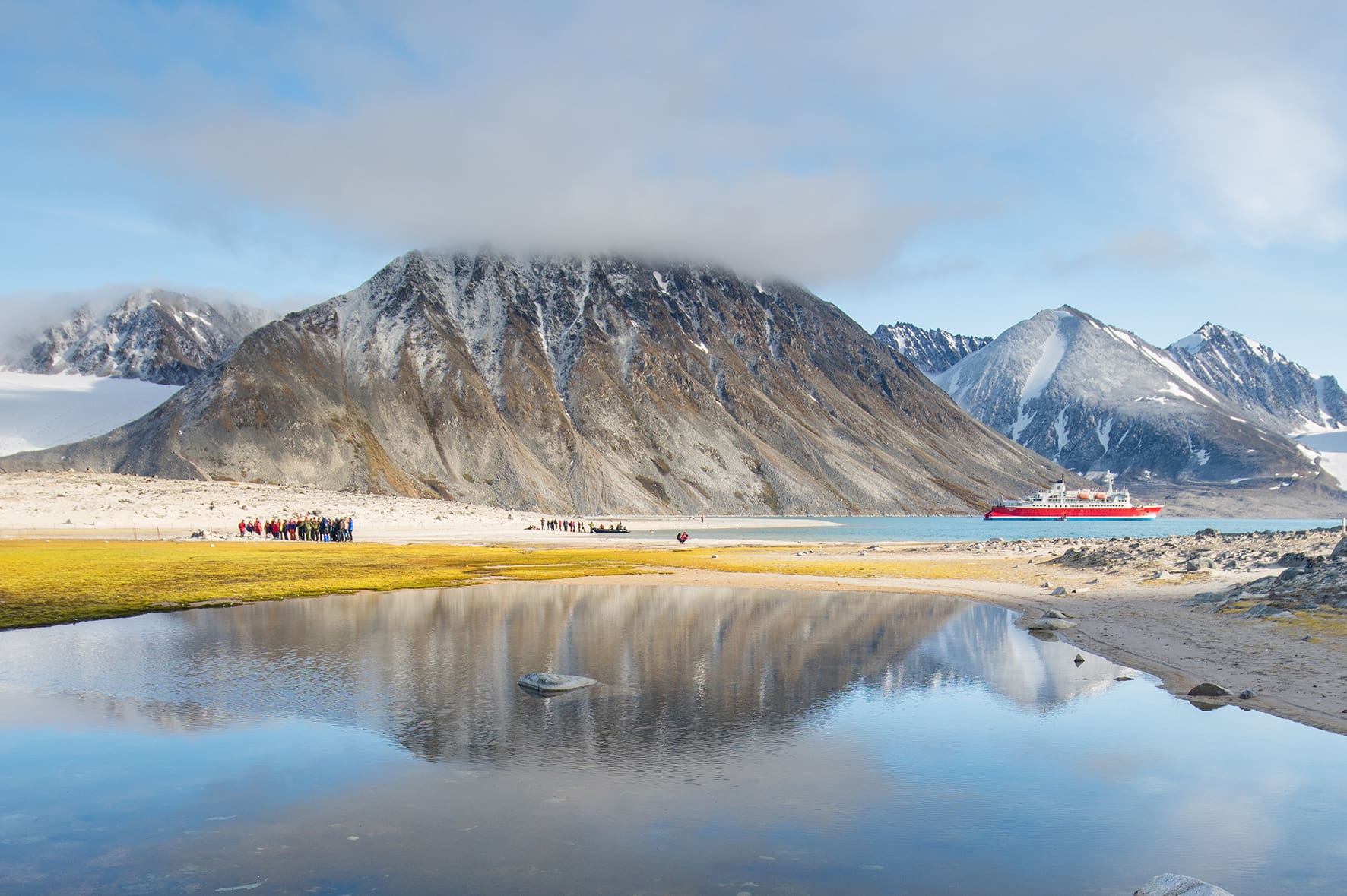
Human activity adds further pressure. Tourism continues to grow, and many visitors seek access to “last chance” Arctic landscapes. Sites such as Smeerenburg and Gravneset are among the most visited locations on Svalbard, despite being among the most sensitive. Foot traffic, soil compaction, vegetation loss, and demand for new infrastructure disproportionately affect fragile sites, while research and logistics leave additional footprints. The combined pressures of warming, natural erosion, and visitation threaten irreplaceable historical resources and weaken the evidence base needed for informed climate adaptation.
Likneset: measurable climate impact
The whalers’ burial site at Likneset in Smeerenburgfjorden exemplifies several of these challenges and served as the starting point for the project CLIMARCH (RIS ID 12194), run by the Norwegian Institute for Cultural Heritage Research (NIKU). CLIMARCH aims to investigate how climate change drives the degradation of archaeological environments in Svalbard by using the whalers’ burial sites in Smeerenburgfjorden as case studies. More than 700 graves are registered in the area, and about 100 were excavated in the 1980s, including 14 at Likneset. Several graves yielded exceptionally well-preserved textiles–some of the best-documented examples of 17th-century working garments worldwide.
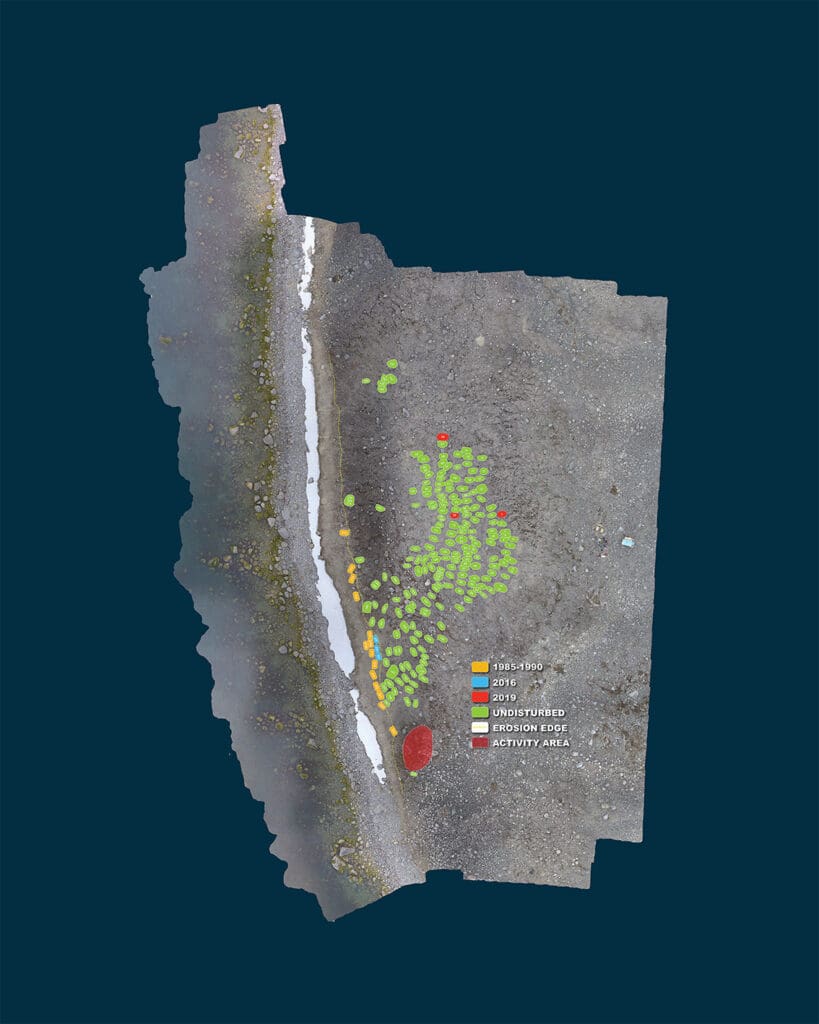
Since then, coastal erosion has caused continuous physical destruction at several sites, especially visible at Likneset. Although the erosion front has advanced only about 2.2 metres (2016) since the 1980s, burial structures and coffins have collapsed due to solifluction, fragmenting textiles and skeletal remains, while sediments and increased oxygen exposure have penetrated the burial fills. When new excavations were carried out at the Likneset site in 2016 and 2019, preservation conditions had worsened markedly. Comparable textile finds were almost entirely absent in erosion-prone areas, in sharp contrast to the 1980s material. This rapid loss likely reflects increased microbial activity and accelerated decay driven by deeper active-layer thaw, greater water infiltration, slope instability, and shoreline retreat.
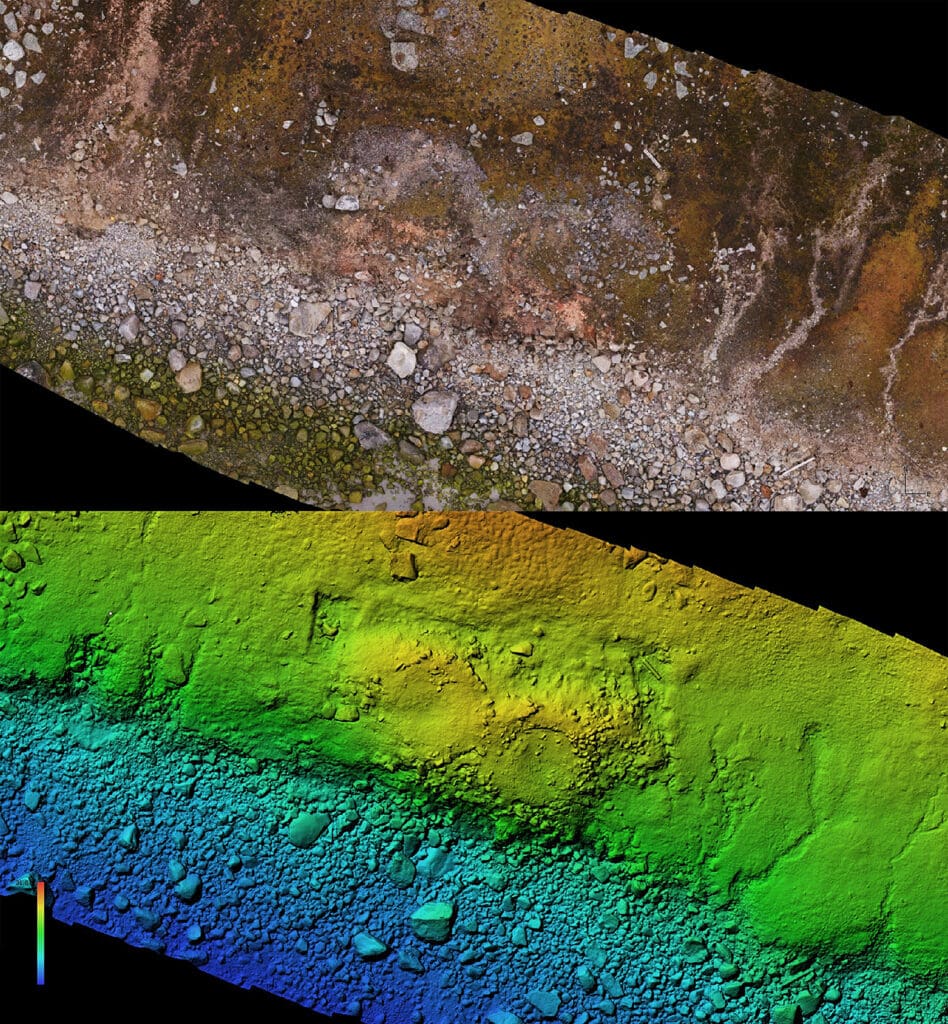
The Likneset site has therefore served as a key pilot site within the CLIMARCH project. To systematically assess climate-change impacts, we applied a semi-quantitative preservation grading system linked to taphonomic change in archaeological materials (i.e. processes affecting remains after death). Using standardised criteria on coffins, textiles, and skeletal remains across three excavation phases makes it possible to compare conditions over more than three decades. When considered alongside drone-based orthophotos, regional geological context, erosion observations, permafrost studies, and climate records, the data indicate clear spatial patterns: the poorest preservation is associated with unstable sediments affected by cracking, subsidence, and erosion, while better-preserved graves are found in more stable inland areas.
The Likneset case offers a practical model for climate-adaptive heritage management. Repeated grading using the same grading system at regular intervals could function as an early-warning tool for sites approaching critical thresholds. When combined with environmental datasets, including ground temperature, coastal processes, precipitation, sea-ice conditions, and wave exposure, this approach can help managers anticipate where loss is most likely to occur next and determine when emergency documentation or excavation is required.
A call for interdisciplinary action
Despite increasing awareness, cultural heritage continues to receive limited attention in climate policy and funding frameworks. Recognising heritage preservation as part of climate resilience is essential. Heritage landscapes contain information about historical risk management, mobility, and adaptation to extreme environments, and they contribute to identity and cohesion in remote Arctic communities. Yet they remain marginal in climate policy, environmental impact assessments, and adaptation strategies. Without targeted action, Svalbard risks losing both material traces and the cultural meanings embedded in its landscapes.
A more integrated approach is needed. This includes long-term monitoring systems for at-risk sites: early-warning tools that combine preservation grading with geomorphological, hydrological, remote sensing, and permafrost data; and rapid-response protocols as degradation accelerates. It also requires closer collaboration between archaeologists, geologists, climate scientists, ecologists, and policy-makers. Such cooperation aligns with the Fram Centre’s mission to support solution-oriented knowledge development in the High North.
Protecting cultural heritage is not separate from climate adaptation; it is part of building resilient societies. Heritage provides the long-term perspective needed to navigate rapid environmental change. Without coordinated action, the High Arctic risks losing an irreplaceable archive that connects people, places, and histories across generations.
Further reading
CLIMARCH: Climate-driven degradation of archaeological environments
Other projects of relevance
PERMARICH: Permafrost thaw risks for infrastructure and heritage