

Historic wooden structures across Svalbard are crumbling under the combined weight of climate change and human activity. Longer, warmer, and wetter seasons fuel wooddecaying fungi, while tourism adds physical wear to sites never built to last.
By: Kathrine Torday Gulden // Norwegian Institute for Bioeconomy Research
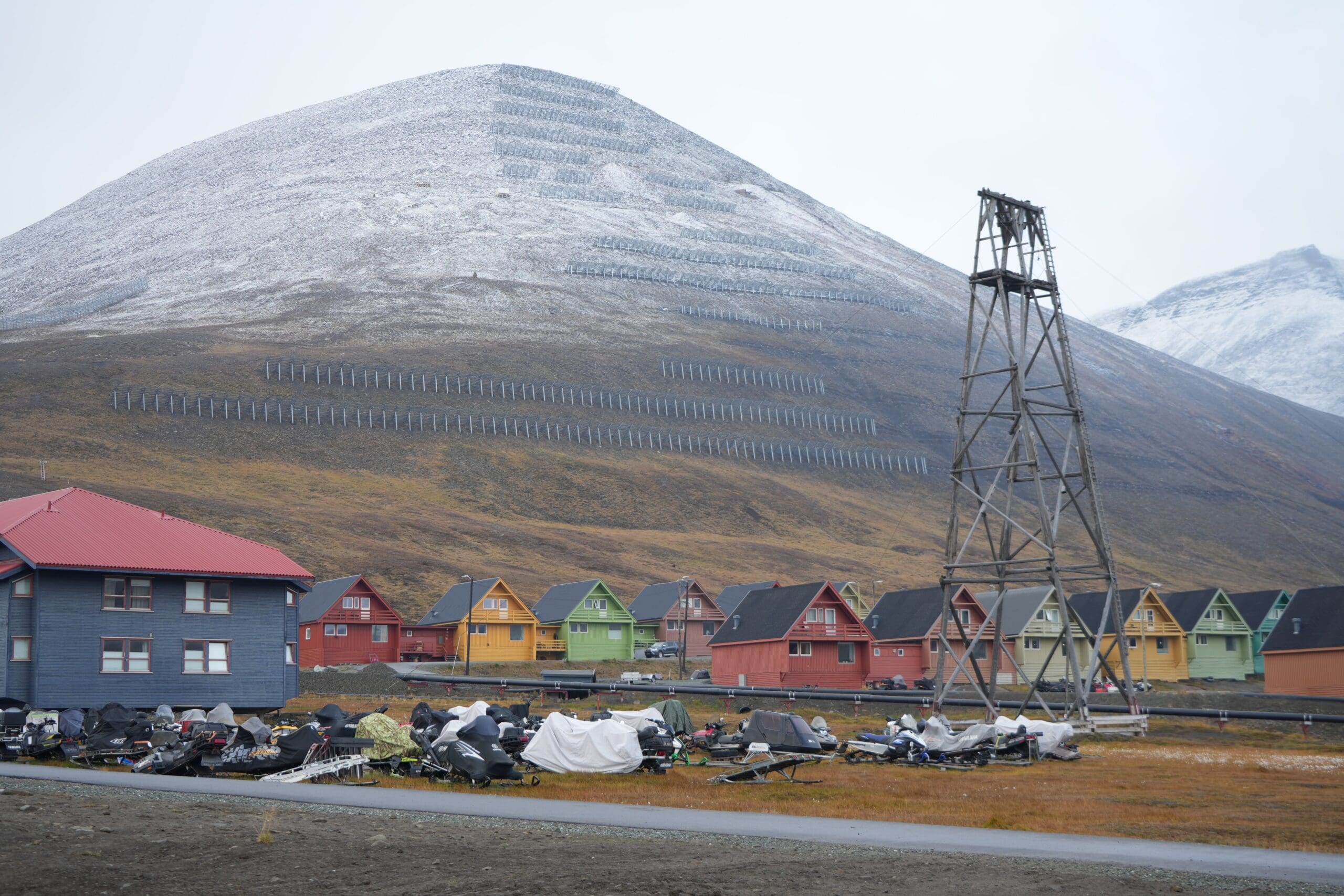
Across Svalbard’s windswept landscapes, wooden traces of human history are giving way to climate change and human impact.
In 2021, the ArcticAlpineDecay project set out to understand and counter these threats. Four years later, the project has provided a crucial baseline of knowledge, revealing how vulnerable these cultural landmarks are and why continued monitoring will be essential in the years ahead.
“Svalbard has been our focal point because climate change is unfolding at an extraordinary pace here. It’s almost like a natural laboratory,” says Anne-Cathrine Flyen, PhD in architecture and technical conservation specialist at the Norwegian Institute for Cultural Heritage Research.
The project also covered Finse on Hardangervidda, where alpine conditions pose similar challenges.
Fieldwork, technical analyses, and interviews with tourists and guides revealed four key vulnerability factors: public understanding, site condition, physical fragility, and patterns of use.
Not built to last but now protected
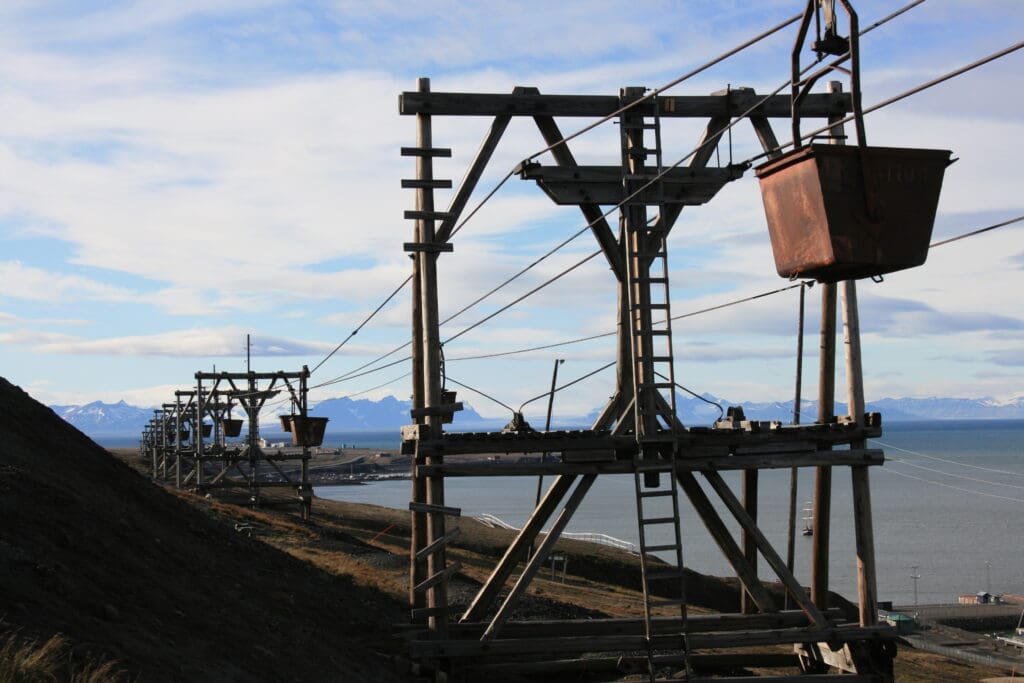
One of the paradoxes highlighted by ArcticAlpineDecay’s coordinator Gry Alfredsen at the Norwegian Institute of Bioeconomy Research, is that many of Svalbard’s wooden structures, such as the pylons that support the coal transport cableway, were never intended to endure for generations.
“They were built to serve as long as the mines provided coal, not to last a hundred years,” she says.
The challenge arose when the Svalbard Environmental Protection Act came into force in 2002, granting automatic protection to everything dating to before 1946.
Suddenly, temporary industrial constructions became cultural heritage, and the responsibility to preserve them for the future became both a legal and practical issue.
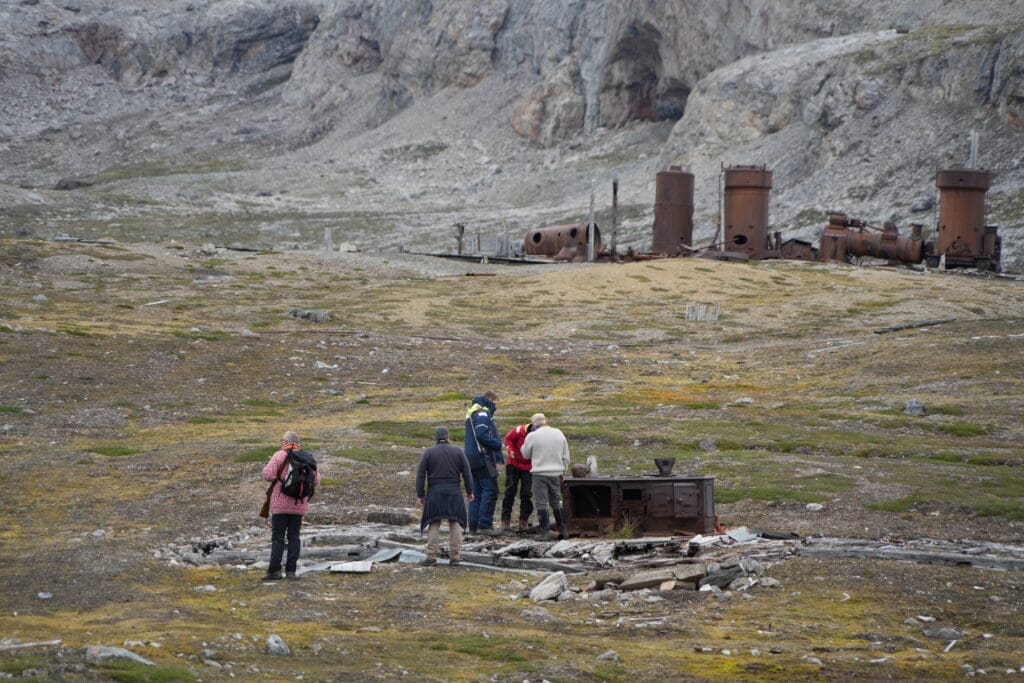
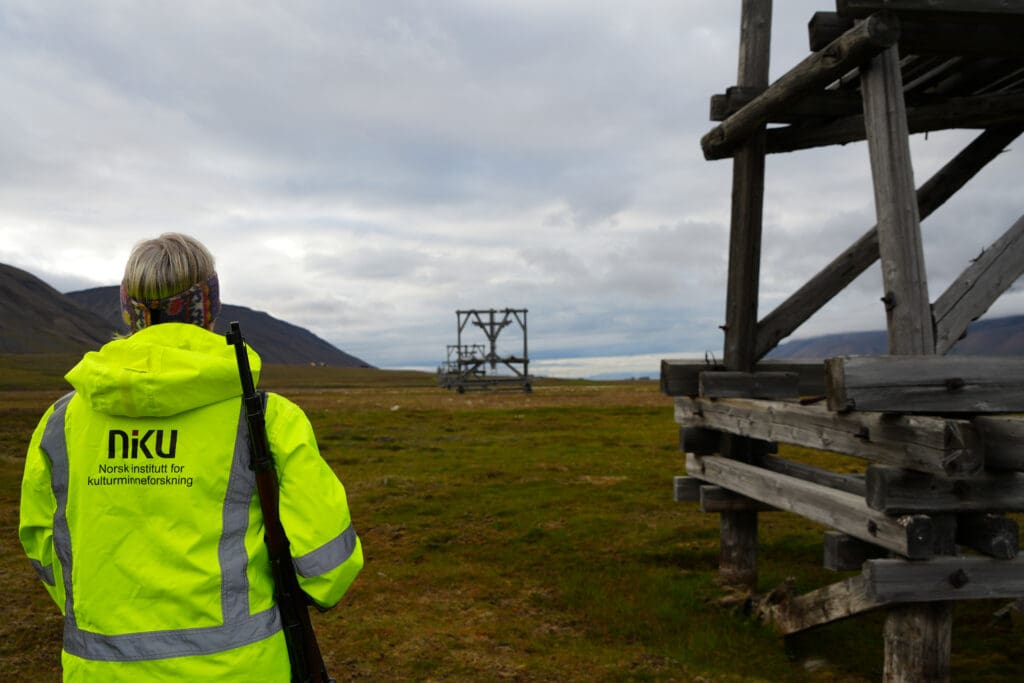
damage they may be doing to the old wooden floor. Photo: Anne-Cathrine Flyen / Norwegian Institute for Cultural Heritage Research
Climate, decay, and tourism
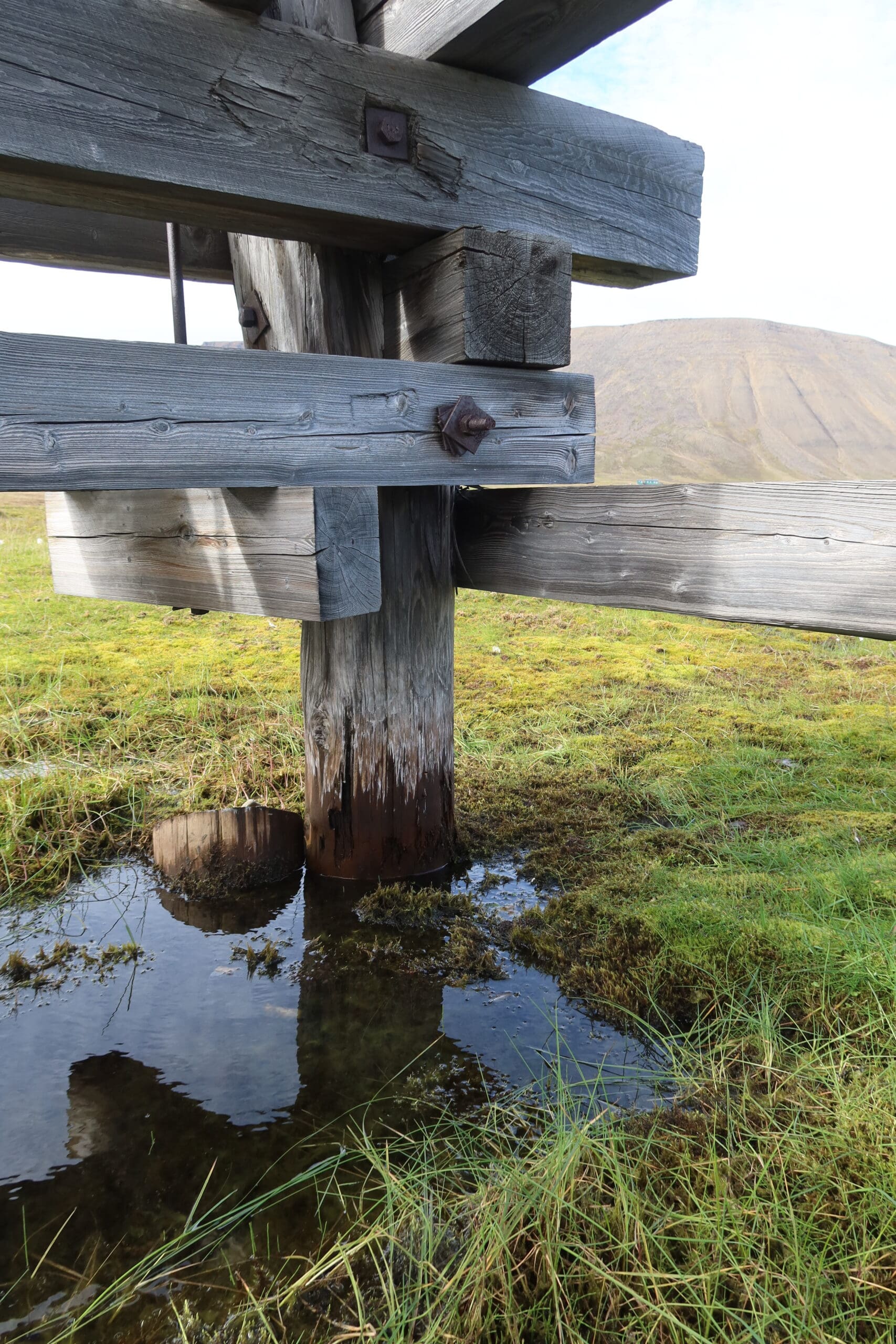
Svalbard’s cableway pylons were originally founded on untreated wooden posts set into the permafrost, which served as a stable, natural foundation.
However, as the permafrost now thaws deeper each year, the foundation is undermined, threatening the pylons’ stability. They are also vulnerable to rot damage in the transition zone between soil and air.
Tourism adds another layer of pressure. Many visitors, often accompanied by guides, are unaware of the vulnerability of these and other wooden heritage sites.
“They tread on, and sometimes through things, without realising they are cultural heritage. Many sites, for example a pile of old wooden planks, are difficult to read and understand,” says Anne-Cathrine Flyen.
Guides tend to focus on history but often lack training in how to protect the physical environment. Simple measures, such as improved signage and barriers, could help reduce damage, but these are not always implemented.
Severe decay in many pylons
A core task in ArcticAlpineDecay was to assess the wooden cableway pylons. The project team took small surface samples (2 × 2 × 5 cm) at both near-ground level and from the pylons’ horizontal beams at approximately breast height. This approach minimised impact while yielding sufficient material for analysis.
Other methods included visual inspection, drilling with a thin bit to gauge internal decay and do microscopy, chemical analysis, and DNA metabarcoding.
Of the 22 pylons examined, 17 were severely decayed, with a high risk of collapse. This is a concern, since such structures, if they fail, can endanger people and property in the areas where they are located.
“It’s not a question of if, but when some of these structures will fall. The risk is real and immediate,” warns Gry Alfredsen.
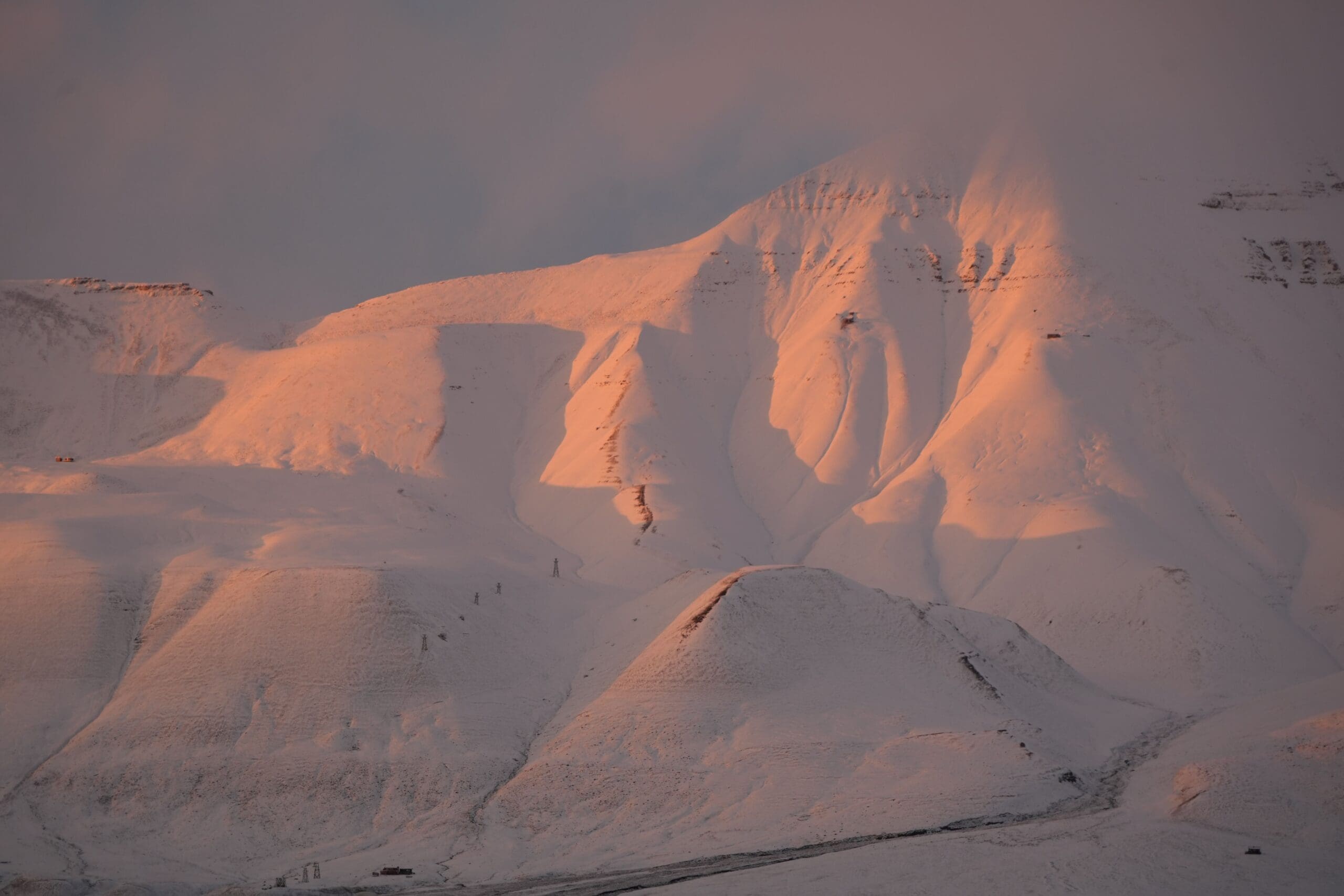
Wood fungi pose a growing threat
DNA sequencing revealed a rich diversity of wooddecaying fungi, with an aggressive brownrot species present in nearly 90% of the pylon samples.
“Brown rot is particularly destructive. Due to its decay mechanism, it causes the wood to lose strength much faster than, for example, white rot and soft rot,” says Alfredsen, adding that this kind of decay likely threatens wooden constructions embedded in soil outside Svalbard as well.
Longer, warmer, and wetter seasons create improved conditions for wood-decaying fungi, accelerating the breakdown of wooden structures.
“When the climate changes, so do the growth conditions for wood-degrading fungi. This can lead to increased risk of decay, even in areas that have previously experienced low temperatures and little precipitation,” says Mari Sand Austigard, R&D manager at Mycoteam.
“Knowledge of how fungi behave under different climate conditions is therefore of crucial importance to assess the future risk of failure in wooden constructions, especially those exposed to outdoor conditions.”
The project team also detected unexpected species such as shiitake and yellow oyster mushrooms, which may have been introduced through human activity like food waste disposal. This finding highlights the complex interplay between nature and culture at these sites.
Management challenges—and advice
In 2023, the Svalbard Museum established a competence centre for cultural heritage. Under agreements with the Governor of Svalbard and the Ministry of Trade, Industry and Fisheries, the centre now advises, monitors, and secures state-owned buildings and sites. These include trapping cabins, mining facilities, and cableway installations, all of which must be regularly assessed and maintained. Previously, these tasks were handled by the Governor and various state owners.
“The Governor still oversees legal tasks under the Environmental Protection Act, but daily preservation remains a challenge,” says Anne-Cathrine Flyen. “Large structures like cableway pylons require extensive work, and resources are limited. The Governor’s department has only two cultural heritage advisers.”
Funding is available through the Svalbard Environmental Protection Fund, yet many sites need attention and better coordination among stakeholders. Flyen recommends: training tourist guides to raise awareness; adding signage and barriers; and applying long-term technical methods for condition assessment.
A baseline for future preservation
Far from being mere relics, the wooden structures scattered across Arctic and alpine landscapes embody human resilience and adaptation to harsh environments.
“They help us put our lives in context,” says Flyen, noting that many visitors find that these traces deepen their experience of nature. “Traditional building methods also hold lessons for future resilience as the climate warms.”
The results from the ArcticAlpineDecay project, which concluded in December 2025, underscore the urgency of systematic monitoring, better management tools, and clear communication to protect these wooden relics. Safeguarding them will require close cooperation among researchers, heritage managers, policymakers, and local communities.
“We’ve established a baseline for long-term monitoring, allowing future comparisons that will show how climate change affects northern cultural heritage,” says Gry Alfredsen. “Because structures such as the cableway pylons share similar construction, their condition provides important clues about the future of these vulnerable legacies.”
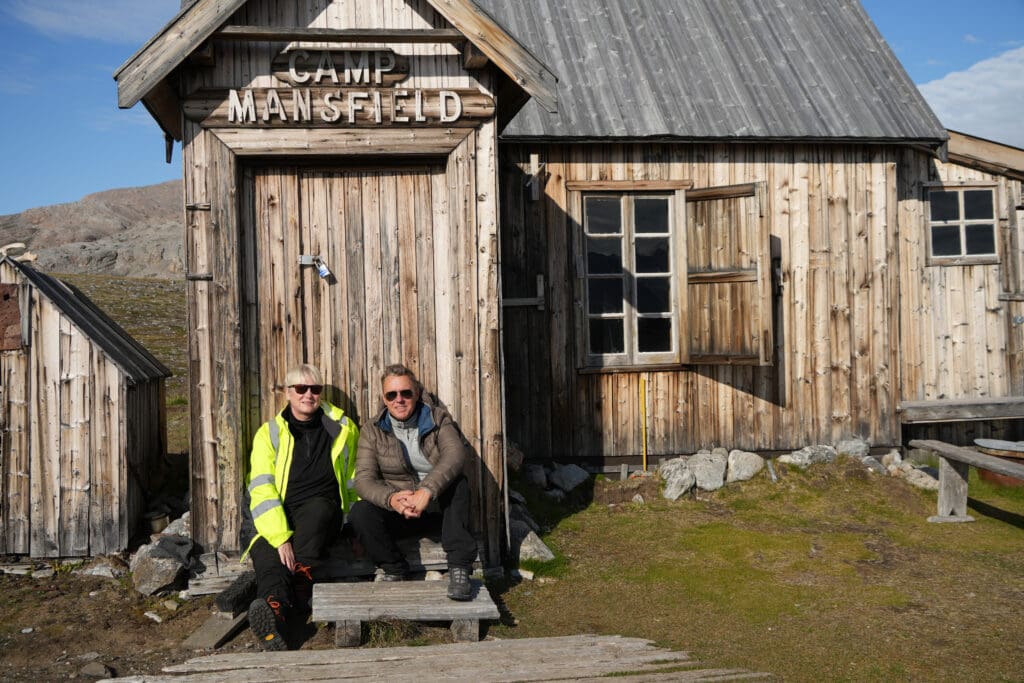
Kongsfjorden, Svalbard, where tourists were interviewed and observed
in the field. Although the cabin behind them is protected as cultural
heritage, it is still being used, and is therefore maintained in good
condition. Photo: Anne-Cathrine Flyen / Norwegian Institute for Cultural
Heritage Research
Mine 6 to Longyearbyen. Photo: Brita Flyen Bolin
ArcticAlpineDecay (2021-2025)
Full name: Deterioration and decay of wooden cultural heritage in Arctic and
Alpine environments
Project coordinator: Gry Alfredsen / NIBIO
Project partners: NIBIO, Norwegian Institute for Cultural Heritage Research,
Royal Danish Academy, Mycoteam AS, Store Norske Spitsbergen Kulkompani,
Kings Bay AS, Norwegian Directorate of Cultural Heritage, Norwegian Trekking
Association (Oslo branch), Vestland County Council
Funding: Norwegian Research Council
Webpage: https://www.nibio.no/en/projects/arctic-alpine-decayst
Further reading
Alfredsen G, Altgen M, Austigard MS et al (2005) Characterisation of wood decay and fungal diversity in cultural heritage cable car pylons in Svalbard. npj heritage science 13: 463
Flyen AC, Flyen C, Hegnes AW (2003) Exploring vulnerability indicators: Tourist impact on cultural heritage sites in High Arctic Svalbard. Heritage 6(12): 7706–7726