

When the red supply vessel departs Cape Town around Christmas, bound for Troll Station in Dronning Maud Land, Antarctica, it holds more than fuel and provisions. Nestled among the containers are purpose-built laboratories, instruments and sensors: part of the TrollTransect observation platform.
By: Tore Hattermann, Sebastien Moreau, Kristen Fossan, Heidi Ahonen, Sebastien Descamps, Agneta Fransson, Sebastian Gerland and Katrine Husum // Norwegian Polar Institute
Melissa Chierici // Institute of Marine Research
Terri Souster and Monica Winsborrow* // iC3: Centre for ice, Cryosphere, Carbon and Climate
* Both affiliated with UiT The Arctic University of Norway
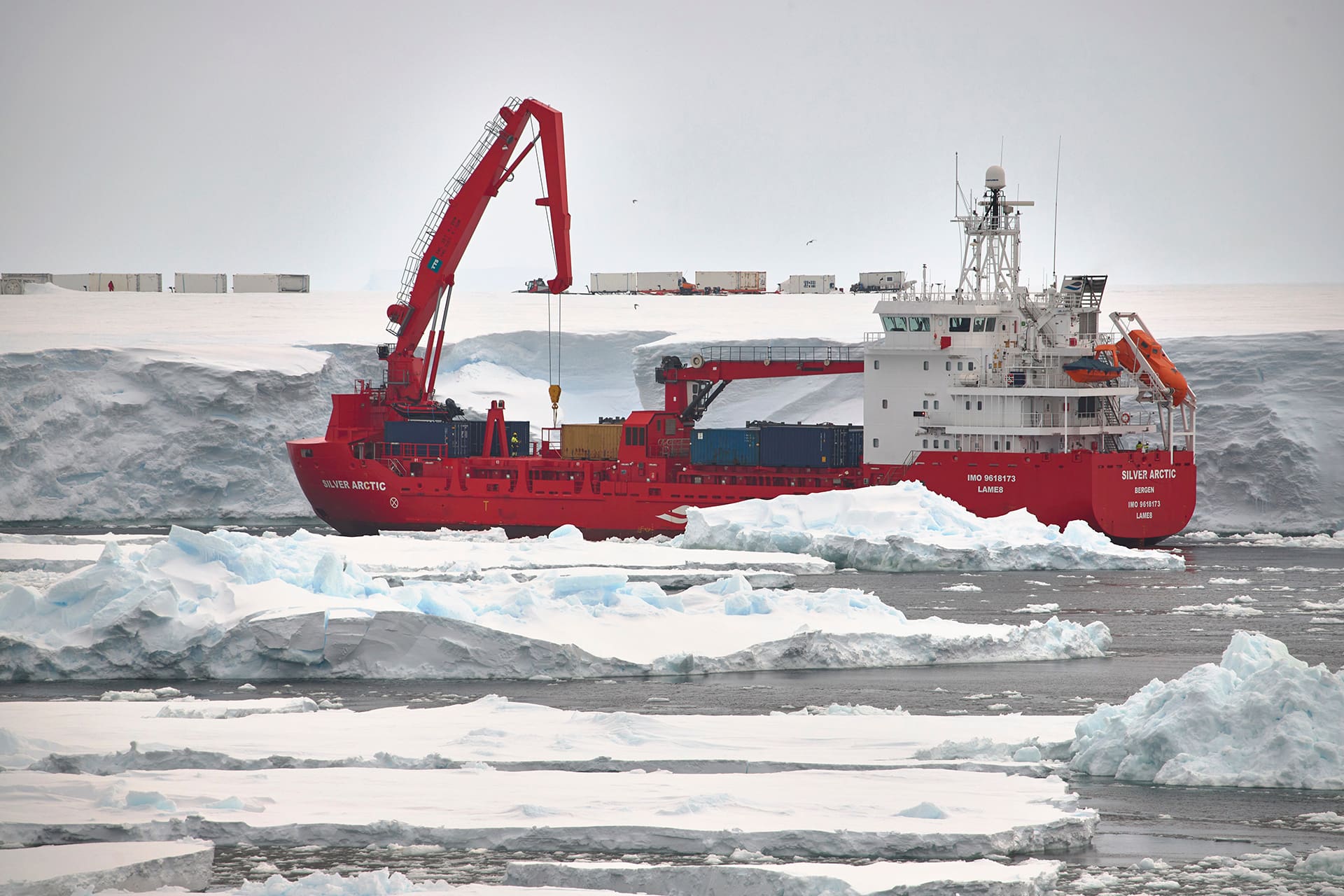
Every southern hemisphere summer since the all-year Antarctic research Station Troll was opened in 2005, Norway has carried out supply operations. However, in 2020, when the world was in the midst of the COVID pandemic, this logistical necessity was transformed into a scientific opportunity: a small multidisciplinary team of scientists joined the supply vessel on its voyage across the globe from the High North to the Antarctic coast. Since then, the TrollTransect cruises have made systematic observations and collected data in Kong Haakon VII Hav, previously one of the least studied regions of the Southern Ocean. Integrating research into annual supply operations has created a cost-effective and sustainable framework for collecting climate-relevant data from the Antarctic. Spearheaded by the Norwegian Polar Institute and the Centre for ice, Cryosphere, Carbon and Climate (iC3) the programme supports Fram Centre efforts to understand interactions between the cryosphere, ocean, and atmosphere in a changing climate.
Turning cargo runs into science
The voyage between Cape Town and Antarctica’s icy coast follows a tight choreography, combining oceanographic measurements, biological sampling, sea ice work, and ecological surveys with logistical needs. The scientific objectives address pressing questions of the ocean’s influence on the Antarctic ice sheet stability and sea level, the fate of sea ice in the Southern Ocean, and the functioning of a marine ecosystem that supports abundant wildlife and contributes significantly to the global carbon cycle:
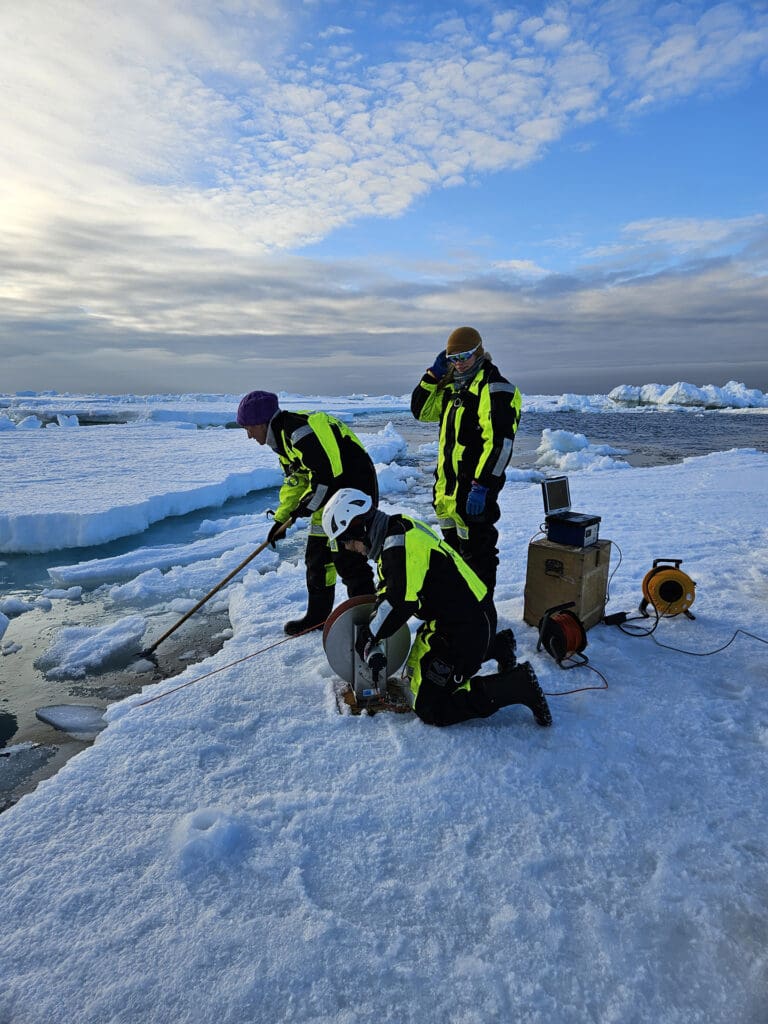
Photo: Sebastien Moreau / Norwegian Polar Institute
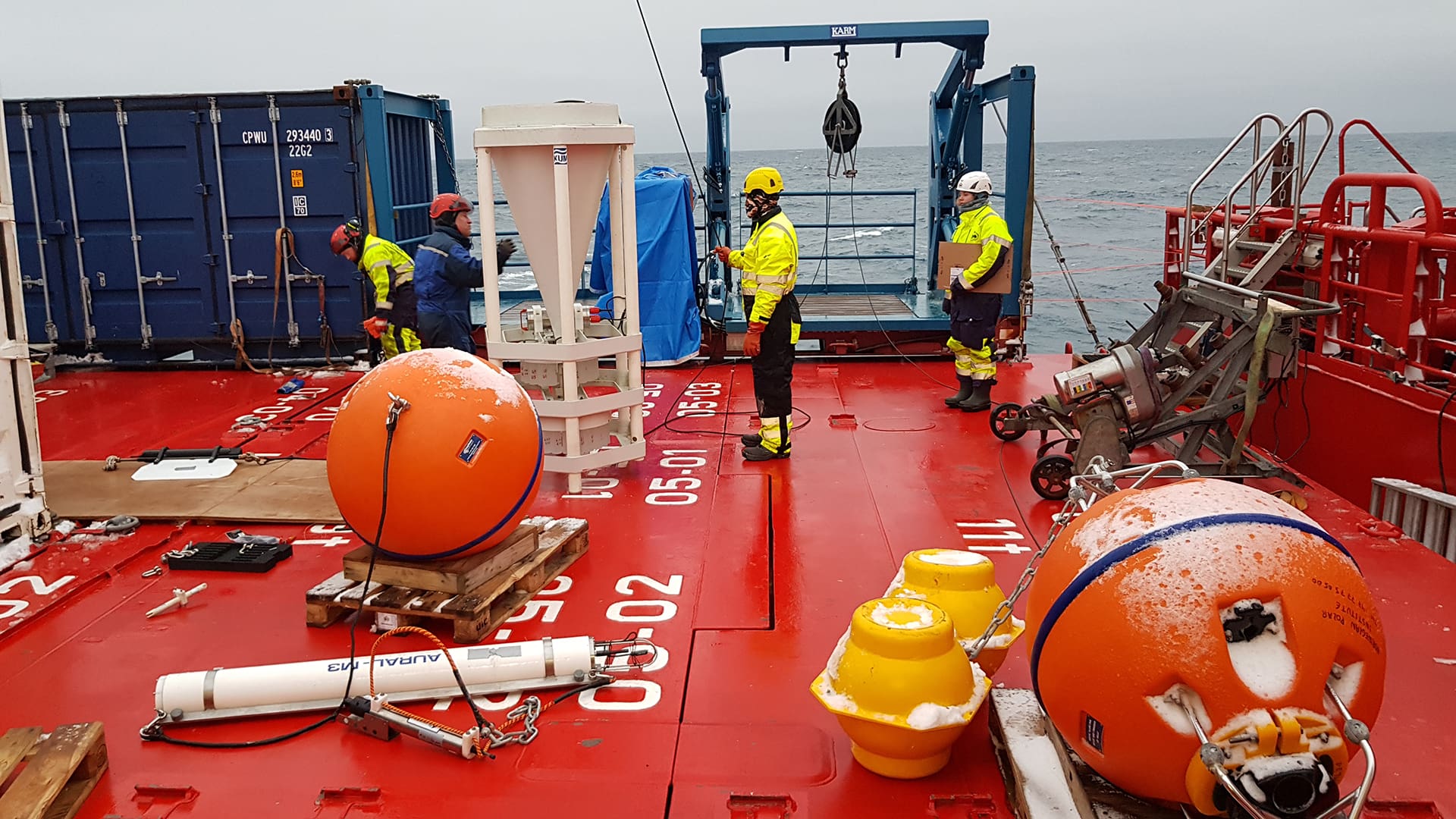
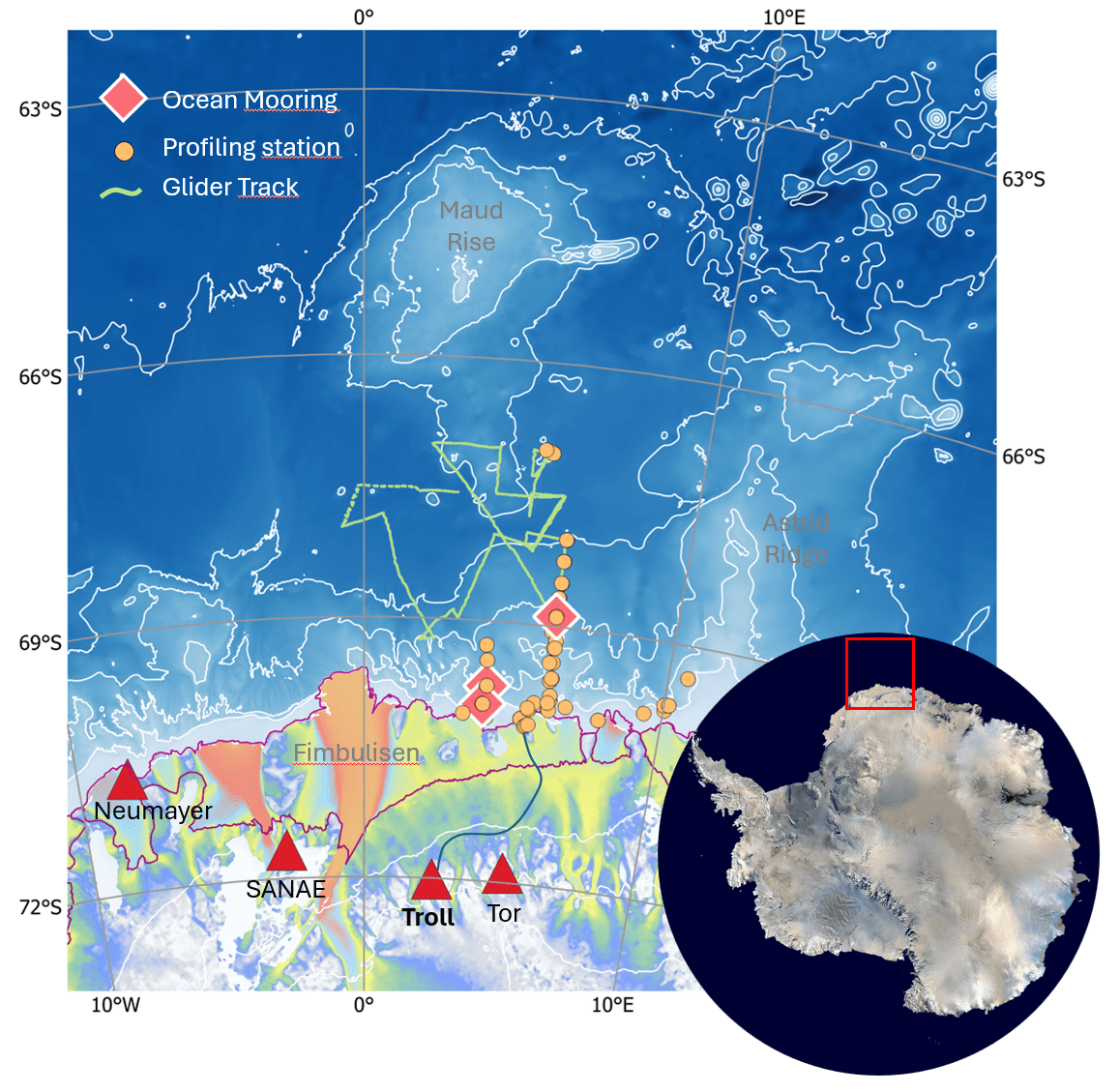
- Oceanographic measurements comprise repeated Conductivity-Temperature-Depth (CTD) transects, turbulence microstructure profiling, and maintenance of the Troll Observing Network Multidisciplinary Ocean Moored Observatory. These so-called TONe–MOMO moorings collect physical, biogeochemical, and biological data across the continental slope off Dronning Maud Land, contributing to long-term monitoring of Circumpolar Deep Water and its influence on ice shelf melting and sea-level rise. The upper 200 m of the mooring structure is mounted with an innovative weak-link technology, which allows us to place sensors close to the iceberg-infested surface waters, providing unique data and process understanding of the Antarctic seasonal sea ice zone.
- Sediment traps deployed and recovered during mooring maintenance capture the vertical flux of organic matter, its quantity and composition (i.e., ice algae, phytoplankton, zooplankton exoskeletons and faecal pellets as well as marine snow), and offer insights into biological carbon export and the ocean’s capacity to sequester carbon, a particularly important process in the Southern Ocean.
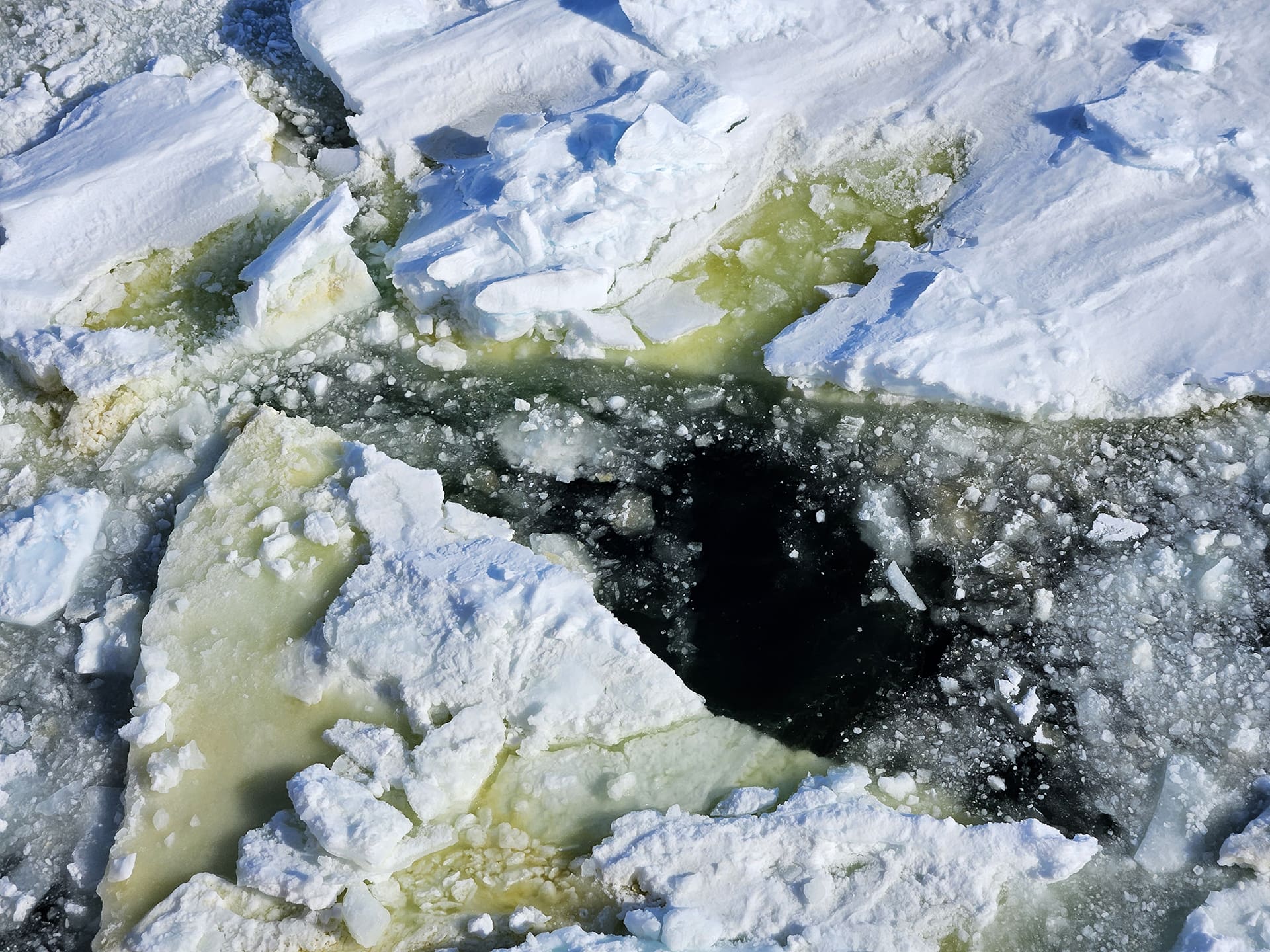
- Sea ice surveys include ship-based monitoring following a standardised setup, ice stations on both drifting sea ice and landfast sea ice (contributing to the Antarctic Fast Ice Network AFIN) with snow and ice thickness measurements and sea ice core collection.
- In situ sampling of ice, ocean, and sediments reveals processes that are shaping the regional physical and ecological environment and carbon cycle. Ice cores and seawater are analysed for physical, biological and biogeochemical properties. A suite of multidisciplinary indicators is collected, such as physical sea ice properties and crystal texture, chlorophyll a (the main algal pigment) and algal species, particulate organic carbon and nitrogen, biogenic silica, nutrient concentrations, dissolved inorganic carbon and total alkalinity, as well as noble gas and oxygen stable isotopic ratios, which together provide thorough insights on the system dynamics and its change. Strategic acquisition of sediment cores provides further insights into ice sheet behaviour, carbon and nutrient cycling both past and present.
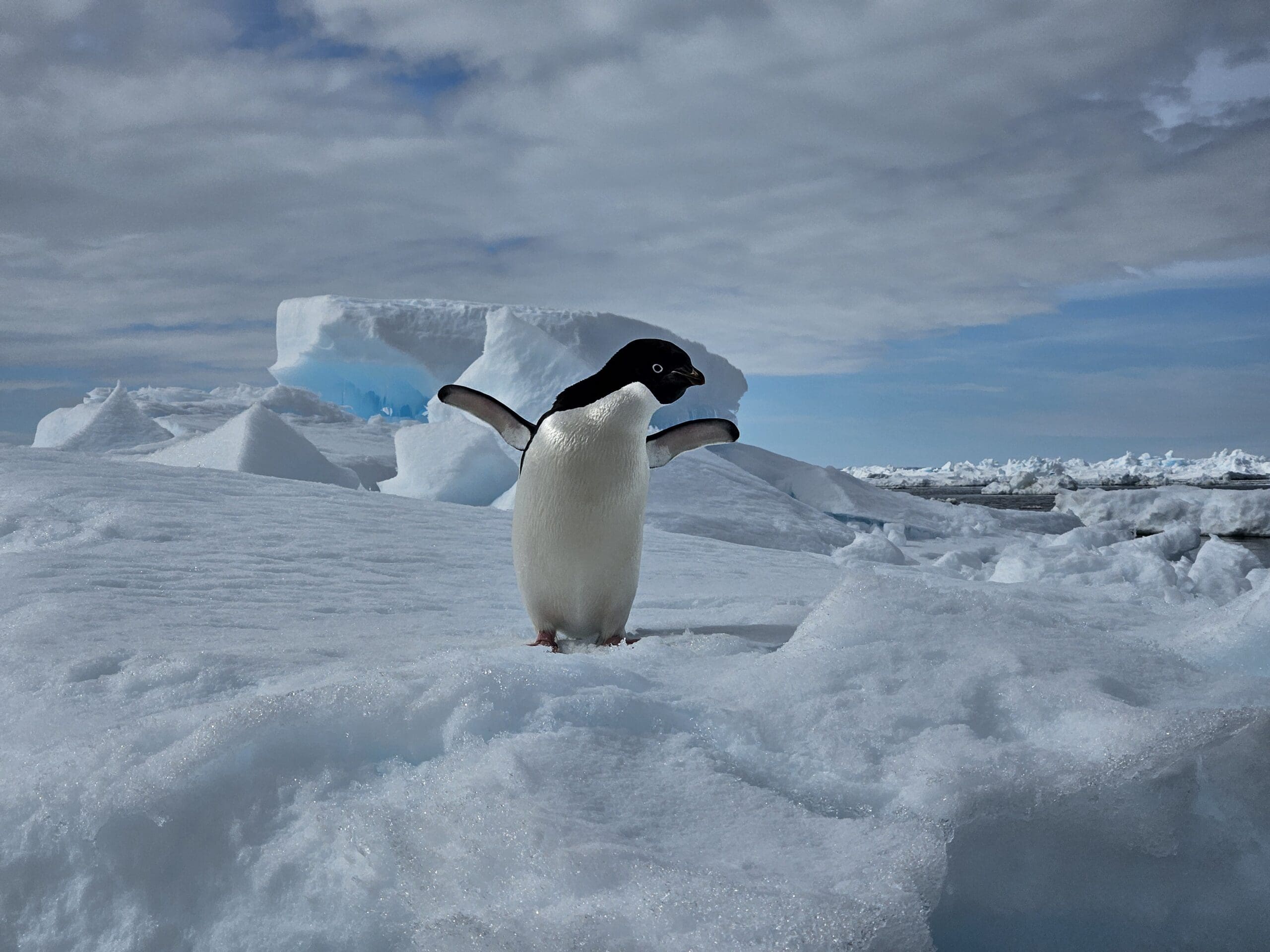
- Systematic marine wildlife observations, conducted from the ship’s bridge, and passive and active acoustic sensors on the TONe-MOMO moorings establish a baseline by documenting the seabird and marine mammal but also fish and zooplankton communities that use these waters along a large latitudinal gradient, providing critical information in a data-poor region. They reveal how important sea-ice habitats and the marginal ice zone are as foraging areas for birds and mammals, highlighting the ecological role of these dynamic environments. Annually repeated surveys reveal changes in wildlife density, community composition, and overall biodiversity over time, offering insight into how these marine ecosystems respond to ongoing environmental changes.
- Opportunistic deployments of gilders and ice-capable BGC-Argo floats enlarge the footprint along the ship’s route in the sea ice zone, north of Maud Rise, or even in the waters of the Antarctic Circumpolar Current.
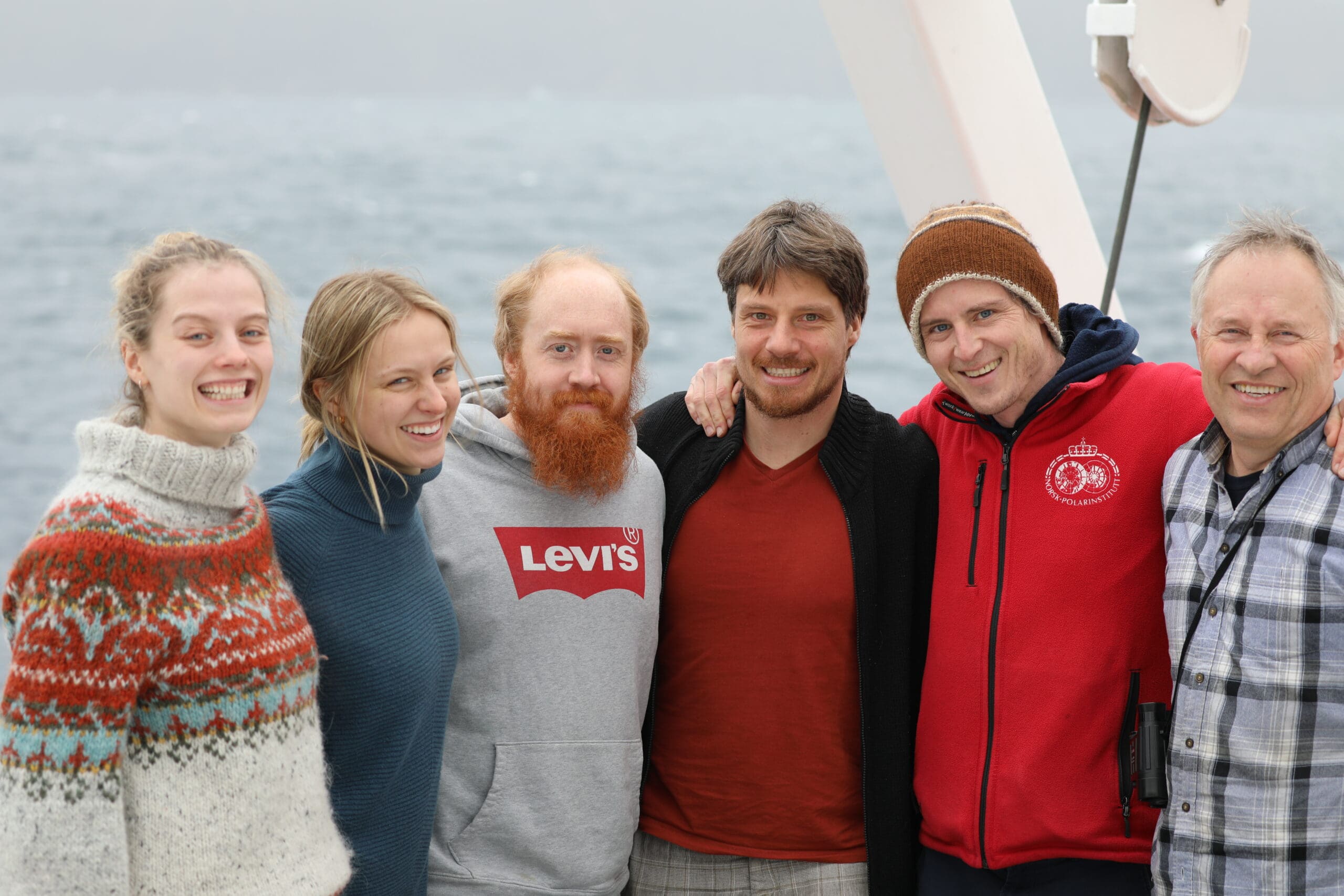
Together, these data provide a comprehensive picture of the interplay between the ice sheet, ocean, sea ice, ecosystems, and the movement of carbon at the Antarctic margin. In addition, the unique platform stimulates participation of early career scientists in research cruises, giving rise to multiple publications, attracts international attention in the Antarctic research community, and enables successful applications for external funding.
Leveraging logistics: pros and cons
Using a resupply vessel as a research platform has both clear advantages and practical limitations. TrollTransect’s strength lies in its regularity and sustainability—its cruises are guaranteed by operational necessity rather than the availability of costly research charters. This ensures a long-term commitment to build climate-relevant time series that rarely exist in the Southern Ocean but are essential for detection of change and process understanding.
The use of containerised laboratories that can be set up on the cargo hatches of the container vessel has proven highly effective. A purpose-built winch container and A-frame provide safe and flexible options for water profiling and sampling and deployment of deep-ocean moorings. Self-contained heated and insulated containers provide a wet-lab for water sampling, laboratory benches, an instrument control room, and an electrical workshop, creating functional workspaces even on a ship not designed for research activities. However, the phrase “no free ride” aptly captures the challenges. Resupplying Troll Station remains the primary mission of the voyage, and the science operations are fit in to utilise logistical opportunities. Researchers are typically allocated one week for data collection during the 40-day voyage, and schedules must adapt to weather, ice conditions, and operational demands. As the ship is not designed for many passengers, work is done by a small team—usually five to seven scientists and engineers—who play multiple roles to make efficient use of limited time. Although fit-for-purpose, the technical solutions in our “container village” are far from foolproof and require awareness and the capability to improvise from their users. On the upside, the science teams that have worked on three different ships over the past few years have always perceived the captain and crew of the supply vessel as extremely supportive and helpful.
The work is demanding, the space is limited, and the schedule is tight—but the rewards are significant, contributing further knowledge on climate and ecosystem dynamics that are of global interest and support sustainable management of remote but important marine areas. Each voyage adds a new chapter to our understanding of the Southern Ocean and reinforces a simple truth: there may be no free ride in Antarctic research, but there is much knowledge to be gained.
Further reading
Lowther A et al (2022) A review of the scientific knowledge of the seascape off Dronning Maud Land, Antarctica. Polar Biol 45:1313–1349,
Moreau S et al (2023) Wind-driven upwelling of iron sustains dense blooms and food webs in the eastern Weddell Gyre. Nat Commun 14:1303,
https://ic3.uit.no/news/hidden-under-the-ice-why-antarctic-sea-ice-algae-matter-more-than-you-think