

The Arctic Ocean is fundamentally changing. Within the next 25 years, it is likely that we, for the first time in recent history, will witness an Arctic Ocean without summer sea ice. How will that affect ecosystems, wildlife and climate, and how will society respond?
By: Jørgen Berge and Bodil Bluhm // Arctic Ocean 2050
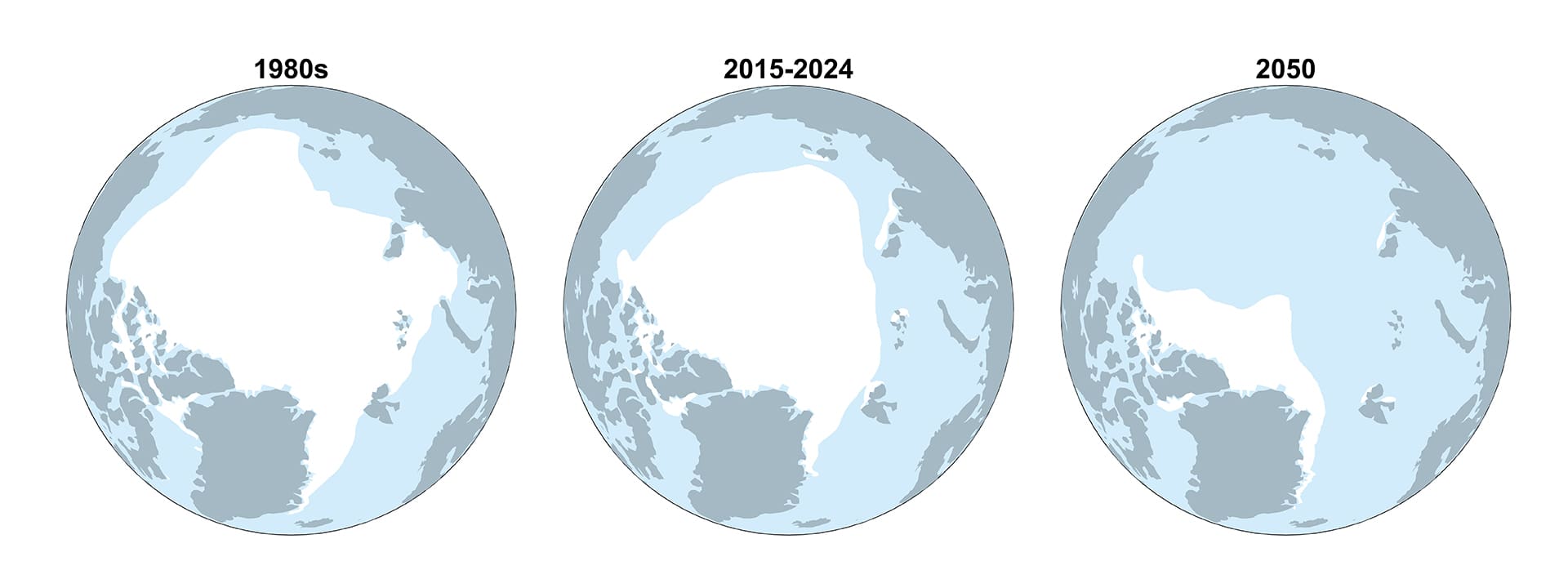
The Arctic Ocean is the smallest of the world’s oceans, yet it plays a critical role in climate, environmental, and political systems. Its waters are vital for global ocean circulation. Arctic ocean–atmosphere heat exchange influences global weather patterns. Arctic sea ice regulates Earth’s temperature and the Arctic Ocean is home to diverse marine species and unique, fragile ecosystems.
Because of its strategic location, abundant natural resources, and emerging shipping routes, the Arctic Ocean is significant for security politics and global governance, in changing, intensifying and interlinked ways.
We now see climate change affect everything from the deep ocean to the atmosphere, creating cascading impacts on nature and society.
In addition, the Central Arctic Ocean is immensely remote—a deep ocean with polar nights and winter sea ice. Studying it is incredibly hard, not to mention expensive.
This is why a great deal of research—even basic research—remains to be done. We know too little, and now the ocean is changing, with unpredictable outcomes.
Shifts in the range of important commercial fish stocks, increased ocean heating and acidification, ecosystem changes of unknown proportions—all are in the realm of the possible, and we need to know in advance. Only then can we plan and take appropriate measures.
Arctic ocean 2050 in numbers
- 1 ocean
- 2 billion NOK (50% own contribution from the 18 consortium partners)
- 10 years
- 18 institutions
- Hundreds of participants
- Interdisciplinary and integrated
- Both fundamental and applied research
- Feeds into the International Polar Year and the UN Ocean Decade
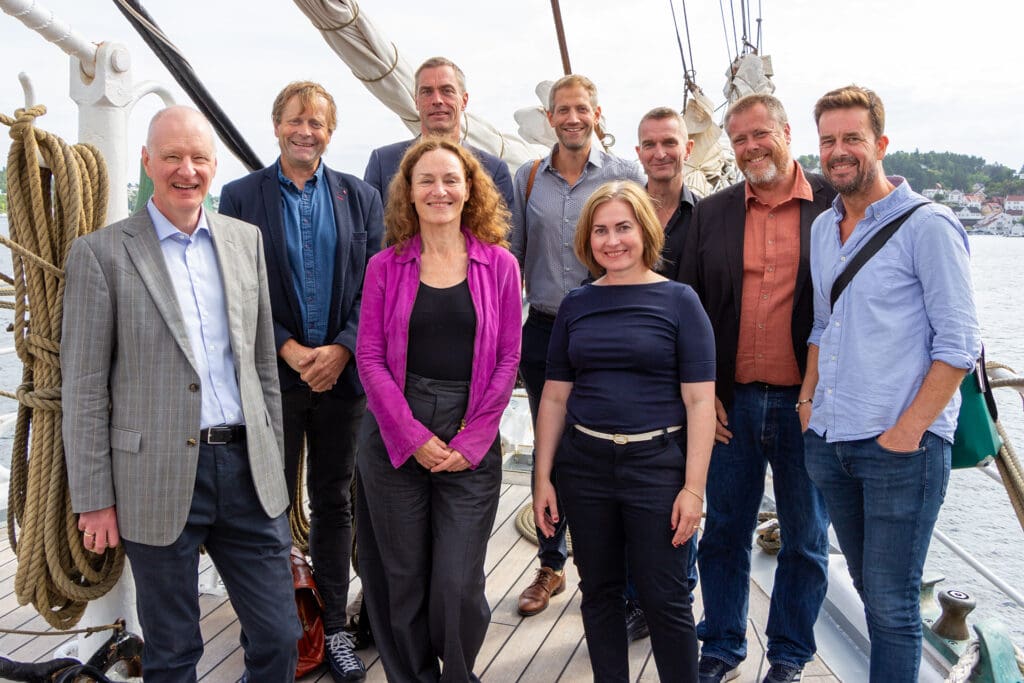
This is the backdrop and rationale for why the Norwegian government is now initiating the largest single research programme ever to be conducted on public funding in Norway. Starting in 2026, a total of 18 Norwegian research institutions, of which ten are Fram Centre members, will join forces over a period of ten years in the Arctic Ocean 2050 research programme.
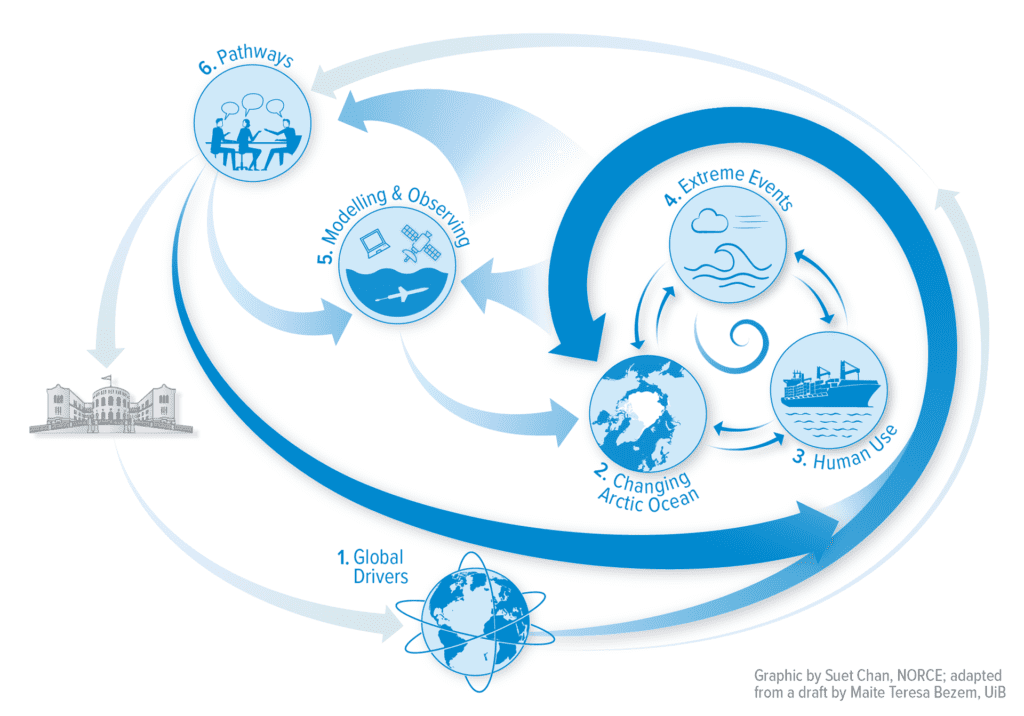
Arctic Ocean 2050 is designed to directly engage with already emerging issuesthat have gained new urgency due to global environmental, geopolitical, and technological shifts, addressing interactions among ocean, ice, atmosphere, ecosystems, and human activity.
The programme’s six research themes span the natural and social sciences, generating extensive sample collections, data and knowledge, to support sustainable management of the Arctic Ocean.
By coordinating efforts through Arctic Ocean 2050, Norway can create a solid foundation for future management and preparedness—environmental, economic and political. The Arctic Ocean 2050 programme will be a unique interdisciplinary effort with scientific teamwork at its core.